Oversized vehicles that are too wide. A tractor-trailer with 67 defects. Several cracks, including one 60 centimeters long on a semi-trailer registered in Ontario.
These are just a few examples of defects recently detected at Quebec roadside checkpoints. But the most worrying thing is to think of all the unsafe trucks circulating without being intercepted, since roadside inspectors were banned from patrolling the roads.
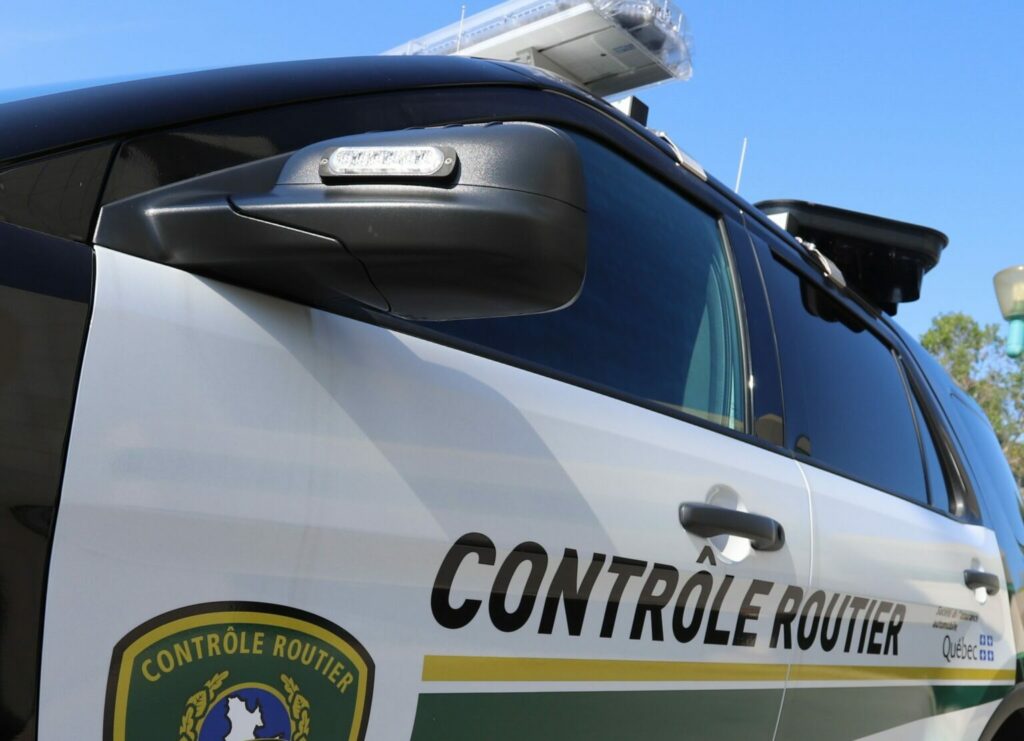
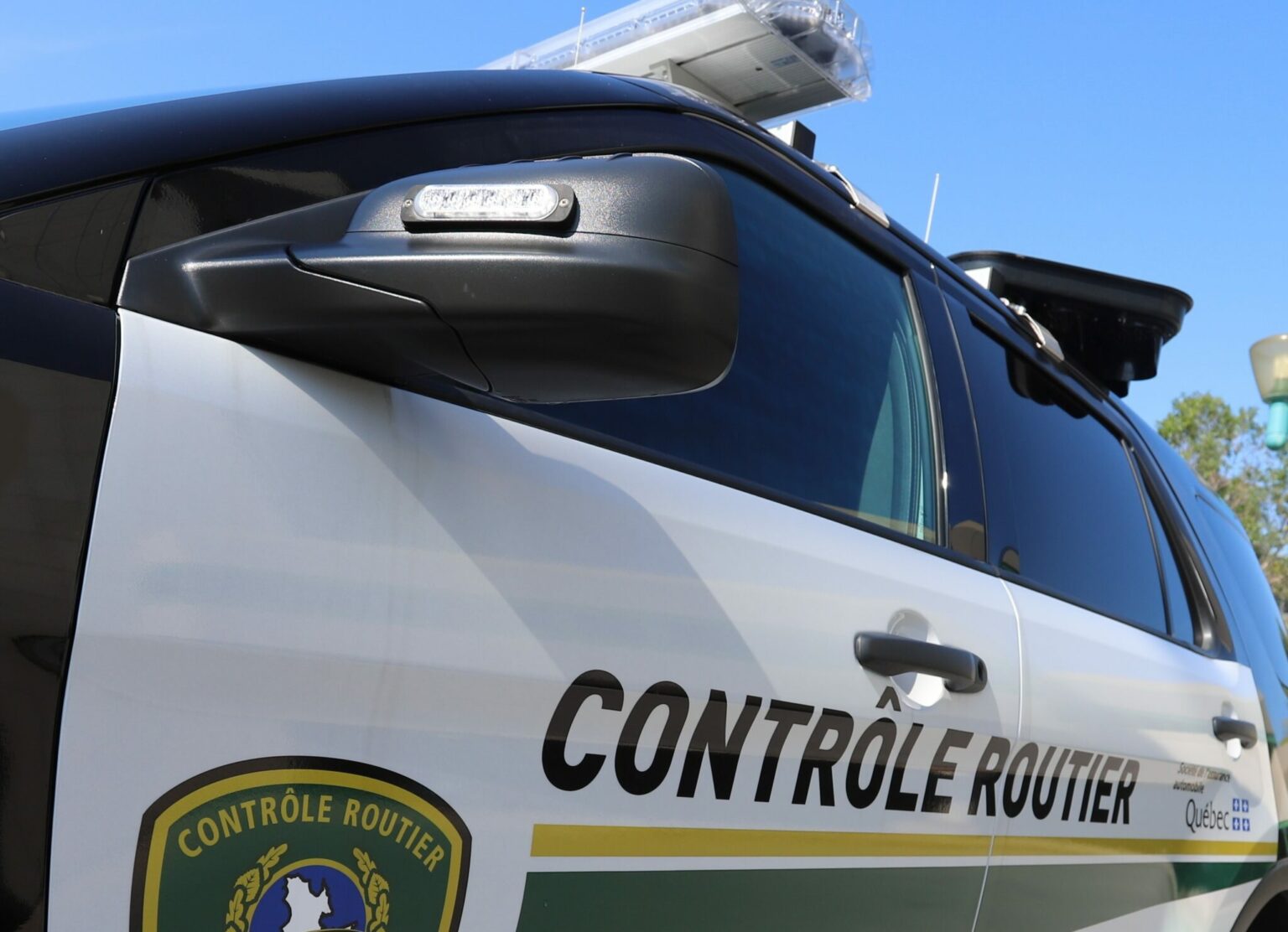
Since March 6, an order from the Administrative Labor Court has confined traffic controllers to checkpoints and prohibited them from patrolling roads, upholding the Special Constables’ Union’s position that traffic controllers are not sufficiently protected to deal with the risks they face when intercepting a commercial vehicle.
The case is dragging on and opening the door to criminals who can circulate with impunity and bypass checkpoints, the only place where road controllers can still carry out interceptions.
“Before the judgment, we were conducting between 9,000 and 10,000 interceptions per month. About 75% of these were done on patrol; the rest at the scale. Today, we are at 2,000-3,000,” said Jean-Claude Daignault, president of the Fraternité des constables du contrôle routier du Québec, in an interview with our French language publication Transport Routier.
The drop in interceptions is accompanied by a marked decrease in tickets issued. “In 2024, we were hovering around 2,500 tickets per month. Since the end of patrols, we’ve been below 1,000,” added Daignault. “The scale is a bit like photo radar. Those who have nothing to hide show up. Those who are in violation avoid it.”
Beyond the numbers, the major impact of the lack of patrols is behavioral: the visible presence of controllers dissuades risky practices. Without this presence, the network becomes more permissive, to the detriment of carriers who invest in compliance and maintenance.
The question of carrying weapons
At the heart of the stalemate: the personal safety of inspectors. “We’re calling for a framework for carrying weapons, like other inspection bodies exposed to similar dangers,” said Daignault.
The profile of traffic controllers’ interventions has changed: trucks are being used by criminal networks involved in car theft, smuggling, and sometimes firearms smuggling. “This type of interception has gone from being the exception to several per week, at certain times,” Daignault said.
The new Minister of Transport and Sustainable Mobility, Jonathan Julien, is reportedly preparing to authorize traffic controllers to carry firearms. This remains to be confirmed and would not put patrols back on the roads overnight.
Daignault remains cautious: “I will obviously be happy if Minister Julien makes this decision. But I have a reservation, because I had an agreement with the Minister of Transport in April of last year, and that agreement was reneged on by the Prime Minister’s office. So, I will believe it when it is announced publicly.”
And if necessary, it will be necessary to train officers at the National Police Academy, and to purchase and supervise service weapons. Daignault believes it is realistic to think that a return of patrol officers would not be possible before 2026.
“But it is certain that we will need some form of weaponry before we return to patrol,” concluded Daignault.
Credit: Source link