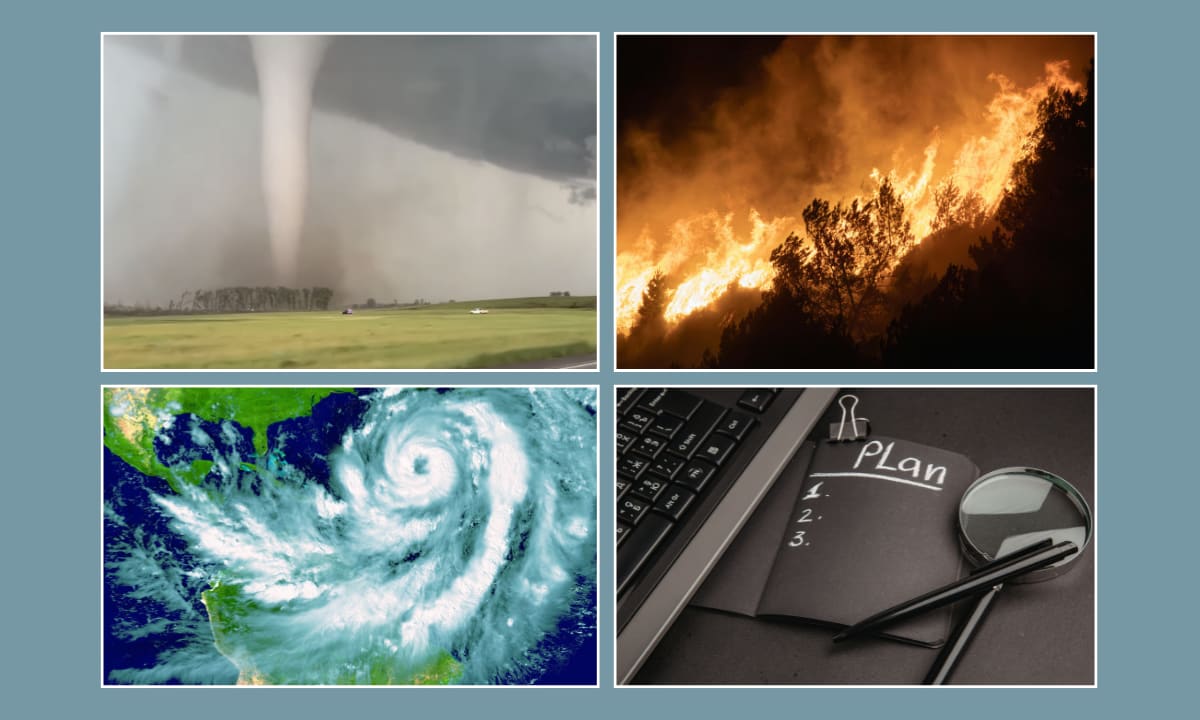
When severe weather hits, the first 48 hours can make or break your operation. From rapid-response communication to hard calls on shutting down, here’s how one fleet leader protects people, secures assets, and stays one step ahead of chaos — before, during, and after a storm
by James Kennard, Lily Transportation
April 30, 2026
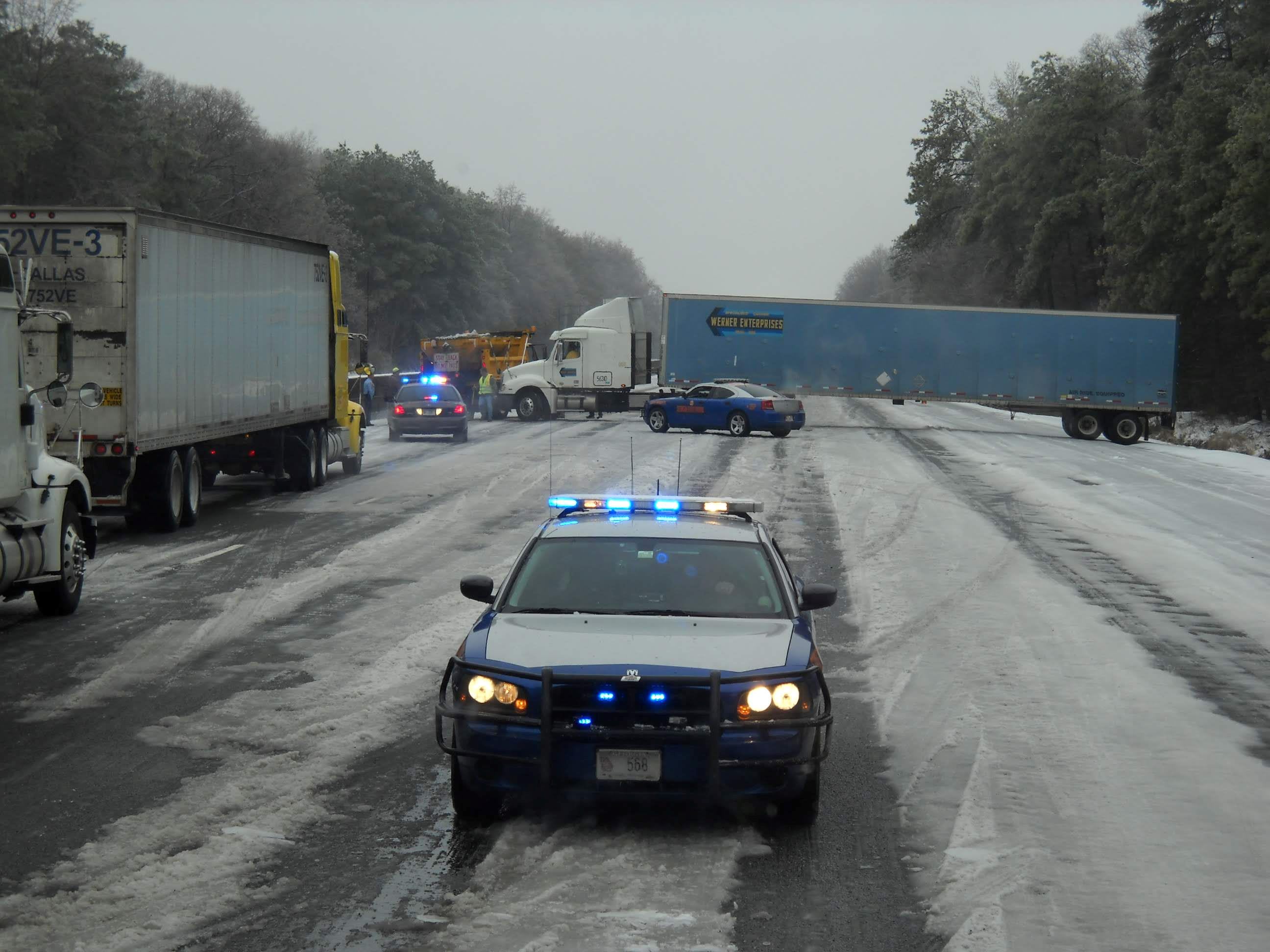
There is no region of the United States immune to severe weather. From hurricanes and tornadoes to wildfires, floods, winter storms, and extreme heat, adverse conditions can disrupt operations and put employees, customers, and the public at risk.
That makes planning and preparation essential.
At Lily Transportation, a comprehensive safety blueprint guides decision-making during weather events, with one overriding priority: protecting people.
Monitor and Communicate Early
Preparation begins with monitoring reliable information sources—news outlets, weather alerts, and fleet technology tools that provide real-time updates. These resources help identify areas at risk
Once a weather alert is issued, it’s time for a call to action. The threat of any type of weather should be communicated by the leadership team to all locations.
Leadership teams must promptly notify all locations and initiate response planning. This may include management roll calls or “Thunderbolt” meetings to assess potential impacts, coordinate preparation efforts, and outline recovery plans.
A geographic map of affected areas should be developed, identifying customer locations, assets, and drivers in the path of any severe weather event.
Make Informed Operational Decisions
As conditions evolve, fleets must decide whether to continue operations, scale back, or shut down in impacted areas. Key steps include:
- Mapping affected regions
- Identifying impacted customers and employees
- Monitoring state and Department of Transportation guidance
- Coordinating with customers on their operating status and recovery plans
A strong safety culture is essential. Organizations that prioritize people over short-term operational demands are better positioned to respond effectively.
Lily operates with a “safety first” mentality, and its customers have the same core philosophies that “people are our greatest asset” and will not be put at risk.
Plan Ahead to Avoid Surprises
Lily doesn’t accept surprises. That’s part of the company’s operating philosophy. Relentless attention to the details is what will make a company successful during challenging weather conditions. Every event must be taken seriously to start the steps in the process to develop action plans.
One of the biggest mistakes fleets make is failing to turn available information into actionable plans.
Each company needs to set goals and a timeline to prepare and complete the steps for operational preparedness.
Having a plan for what to do during an emergency prevents surprises, so keep a relentless focus on the plan’s details. Be proactive in your disaster preparedness efforts. Make sure you do not just develop a plan and forget it.
It is important to reinforce the plan with your employees and to execute the plan as it was designed to avoid surprises.
Pre-storm planning should involve each location and should address:
- Service strategies for the affected areas.
- Communication protocols and regular updates
- Evacuation procedures for all locations
- Established communication channels, including phone trees, email groups, and messaging apps
Protect Assets to Speed Recovery
You want to protect your buildings and equipment in the event of a disaster. Doing so is the key to recovery after an adverse event, and determining how to do this plays a key role in disaster planning.
For equipment:
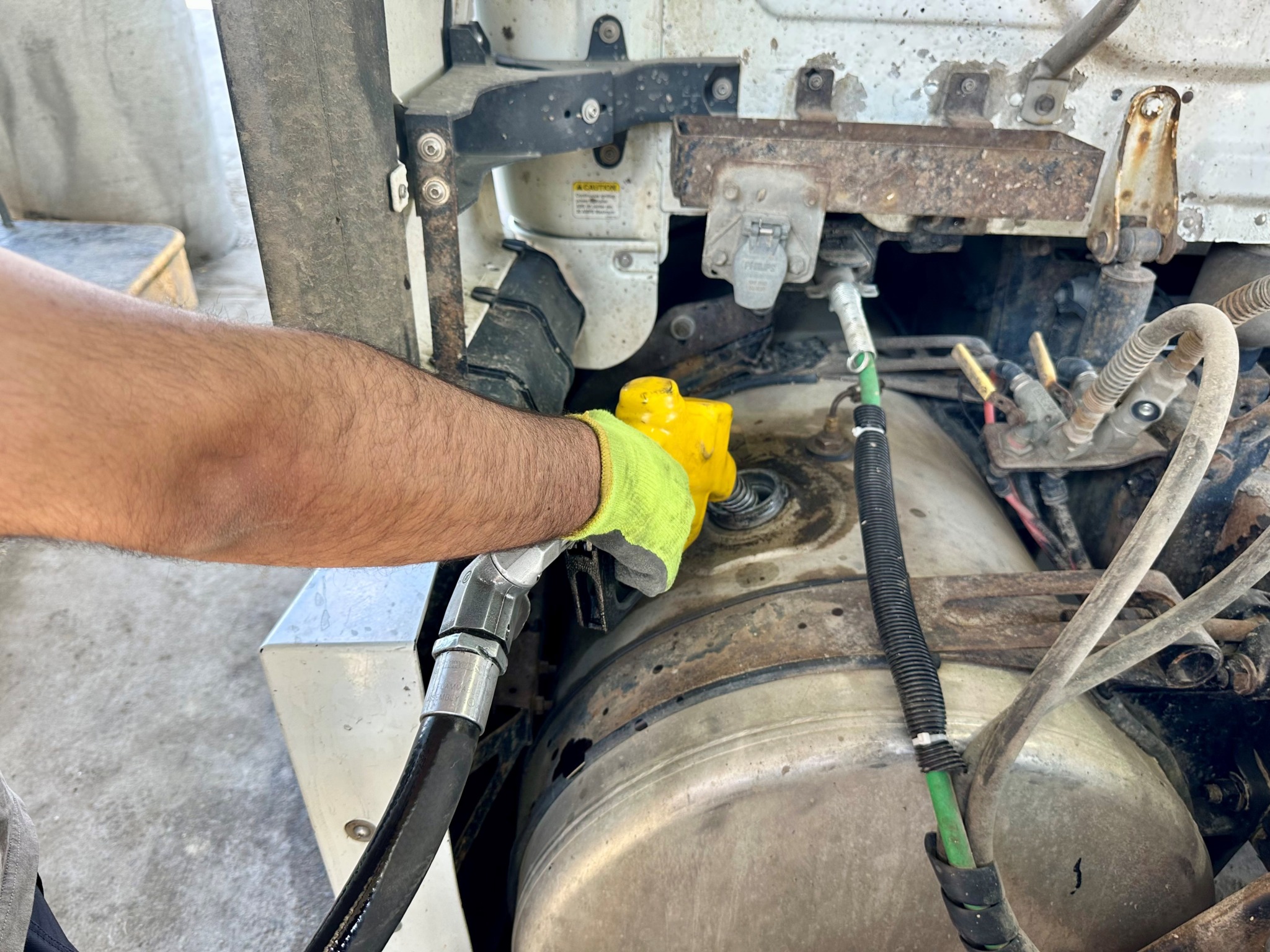
- Ensure all units are fully fueled, as natural diasters can disrupt fuel supplies.
- Secure assets to prevent theft, which can rise during emergencies.
- Position equipment in protected areas.
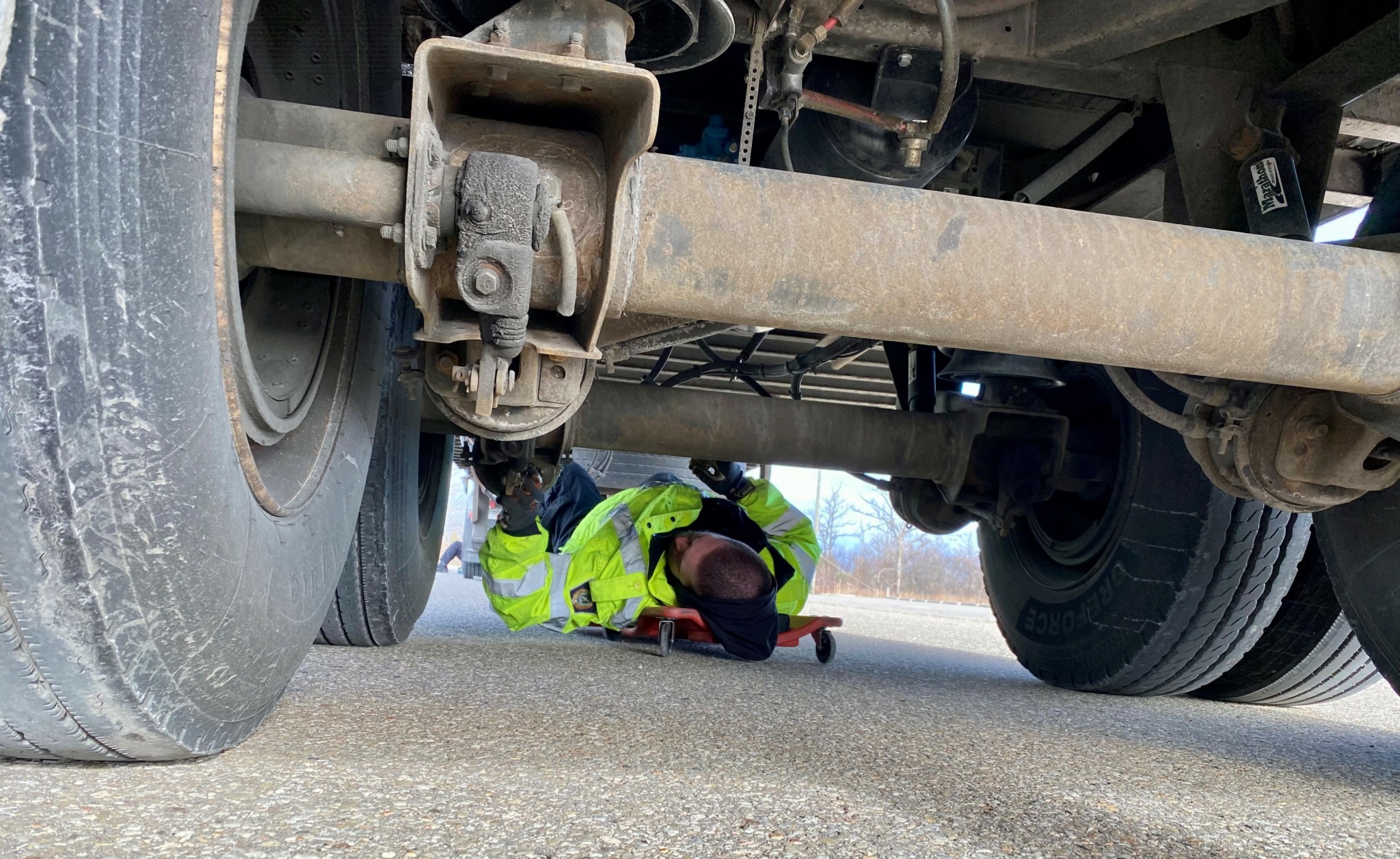
- Stock basic repair supplies for onsite fixes, as repair locations are typically overwhelmed after weather events.
For facilities:
- Secure doors and windows
- Remove loose outdoor items
- Prepare to rely on backup power systems if available
Always Put People First
Strong customer partnerships start with a shared commitment to safety. No load or deadline is worth putting people at risk.
If conditions are unsafe, operations should pause. Recovery plans should be implemented once the event has passed. with timelines adjusted to resume service safely and efficiently.
Clear, ongoing communication with customers is essential. Align on expectations, communicate disruptions early, and collaborate on recovery plans.
Your customer response plan should include:
- Discussing pre-storm planning with each location, including an evacuation plan for all locations.
- Sharing information about affected areas and operational impacts
- Coordinating service plans based on current conditions
- Confirming whether facilities will remain open or adjust operations
- Providing regular updates as conditions change
- Establishing clear communication channels, including phone trees, email groups, and messaging apps
- Have a recovery planning meeting to resume operations once the disaster has passed.
At the same time, fleets must have a structured plan to account for and support employees during a weather event. This should include:
- Maintaining accurate contact information for all team members
- Keeping updated emergency contact lists
- Establishing check-in procedures to confirm employee safety, such as phone trees and email groups, and apps such as Missiveapp and WhatsApp.
- Scheduling regular status updates throughout the event
Companies that prioritize safety and communication are better equipped to navigate disruptions and return to normal operations quickly.
Stay Updated Before and During a Severe Weather Event
Expanded state and federal advisories—such as updated travel alerts or restrictions—can signal that a weather event is intensifying and affecting a broader area. Monitoring these updates helps fleets better understand the scope of the risk.
Stay connected to reliable weather information through television, radio, and online sources. During an emergency, technology becomes a critical tool for communication.
Use all available company resources to stay in contact with employees and confirm their safety, including phone calls, email, text messaging, mobile apps, social media, telematics systems, and communication boards.
A Living Safety Document
Your emergency response plan should be treated as a living document that is adjusted and modified based on real-time conditions and lessons learned. Just like any operation or service provided to our customers, there needs to be a plan in place.
Create a team to focus on standard operating procedures for storm preparedness, so you have a framework in place prior to any event. If you’re developing a process as an event is ongoing, you will miss critical steps.
While it is impossible to prevent weather-related emergencies, you can lessen their impact. A clear, well-communicated plan shared with employees and customers, so everyone will know what to do should an emergency arise, allows fleets to respond effectively, protect their people, and return to operations safely.

James Kennard
Lily Transportation
About the Author: James Kennard is regional director of operations for Lily Transportation. He has more than 20 years of experience in logistics. distribution, operations, administration, forecasting, warehouse, and supply chain management. He was the recipient of the Safety Awards for Accident & Injury Prevention in 2019, 2020, 2021, and 2022.
This article was authored and edited according to Heavy Duty Trucking’s editorial standards and style to provide useful information to our readers. Opinions expressed may not reflect those of HDT.
Credit: Source link