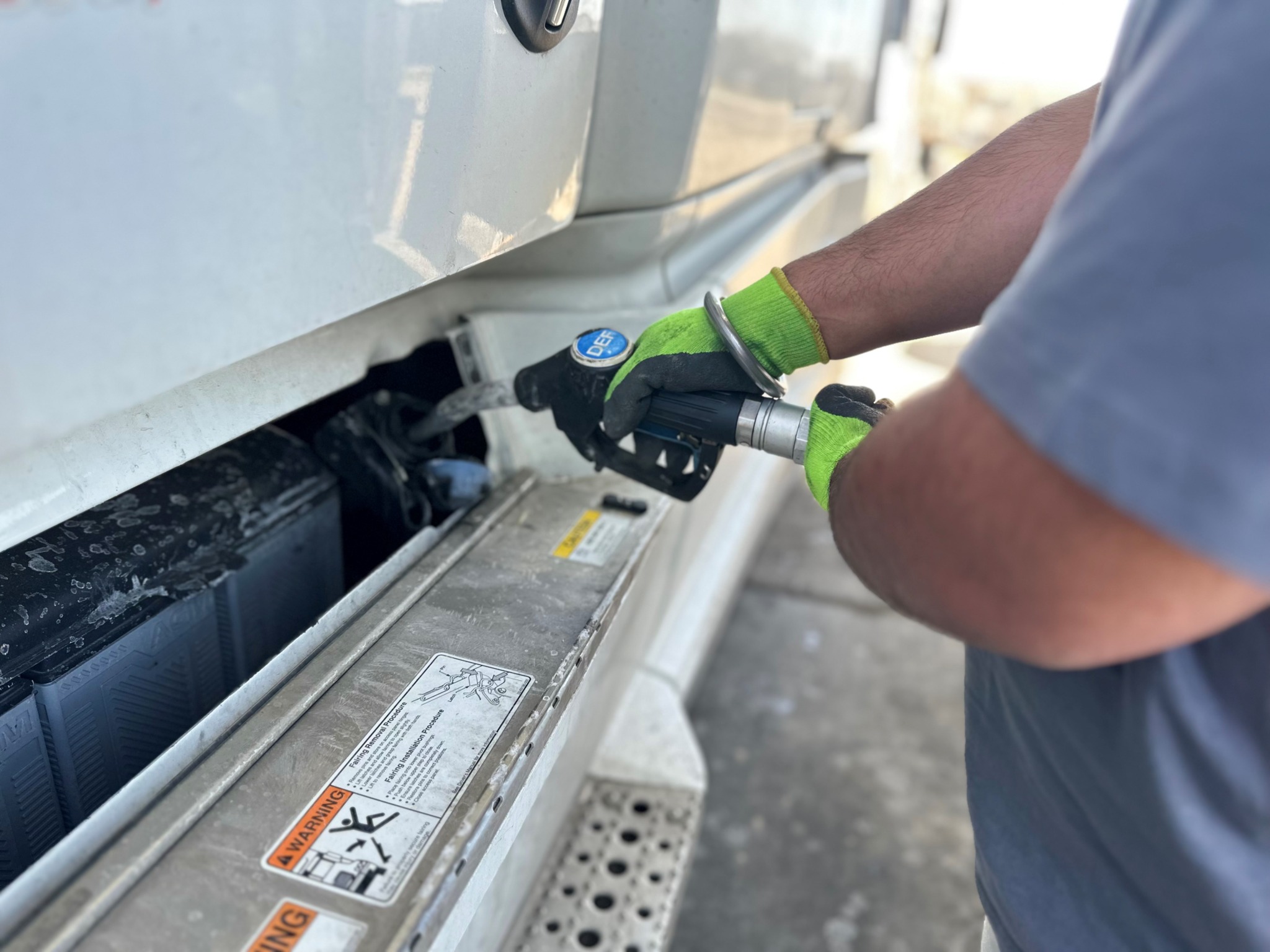
The head of the Truck and Engine Manufacturers Association (EMA) told a U.S. House subcommittee that, as they consider changes to diesel exhaust fluid-related requirements, they should ensure DEF is onboard the vehicle to preserve the fuel savings and performance needs of fleets.
During the June 3 hearing held by the environment subcommittee of the House Committee on Energy and Commerce, EMA President and CEO Jacqueline Gelb highlighted the role of DEF and selective catalytic reduction (SCR) technology in achieving near-zero emissions from diesel engines.
“Without a sufficient quantity of adequate quality DEF onboard the vehicle or equipment, the engine and aftertreatment systems will not function properly,” Gelb said. “EPA determined that the operator must be induced to replenish the onboard DEF supply. However, real-world experience has shown that some inducement requirements can create operational burdens, restricting our customers’ ability to deliver their load or finish their task.”
Gelb commended legislation that would codify EPA’s guidance aimed at reducing DEF-related operational disruptions for drivers while providing manufacturers with regulatory certainty.

She also expressed support for the Diesel Emissions Reduction Act, which would reauthorize the DERA program, a federal clean air initiative that supports projects that reduce NOx.
“As Congress evaluates potential changes to DEF-related requirements, we encourage a balanced approach that ensures DEF is onboard the vehicle or equipment and preserves the fuel savings and performance needs of our customers while addressing legitimate operational impacts and user experiences,” Gelb said.
Credit: Source link