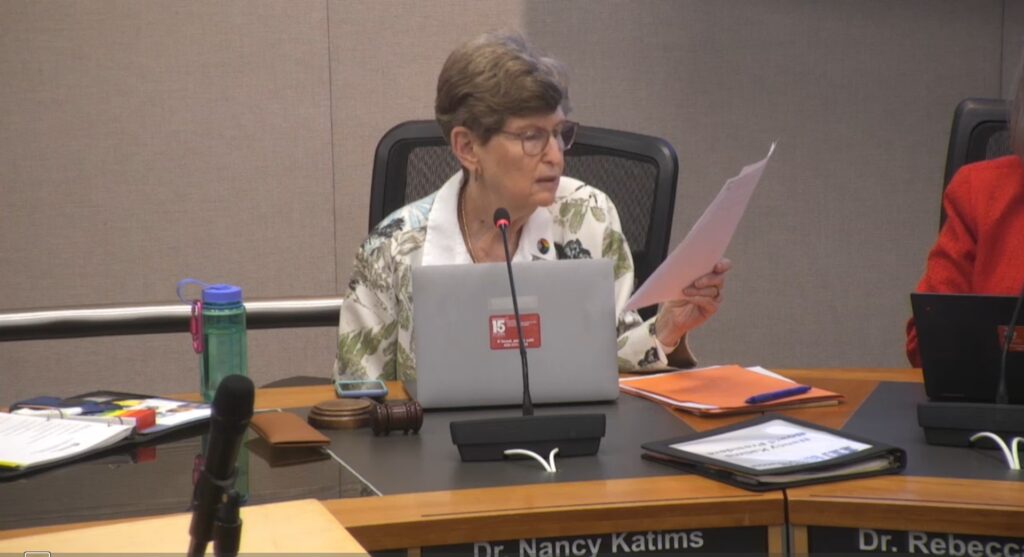
The Edmonds School District Board of Directors at its Sept. 9 meeting voted 7-0 to approve the new board policy 6960 on school attendance areas and boundary changes.
Under the approved policy, the Board will monitor each school’s attendance area and may adjust boundaries when population shifts, new schools are built or schools are closed. Enrollment forecasts are made each year, and students are generally expected to attend their designated neighborhood school unless a transfer is approved under Policy 3131.
According to the school board agenda, approving Policy 6960 will accommodate the new College Place Middle School, the move of sixth graders to middle school and potential balancing of elementary school enrollments.
The Board also discussed proposed changes to Policy 2110, which refers to the Transitional Bilingual Instruction Program that aims to help students with English fluency while preserving their bilingual skills. Edmonds School District Board President Nancy Katims shared her experiences from one of her visits to these classes.
“[It was] wonderfully exciting to talk to those kids. In fact, I’m starting to take beginning Spanish so I can talk to them as well in Spanish,” Katims said.
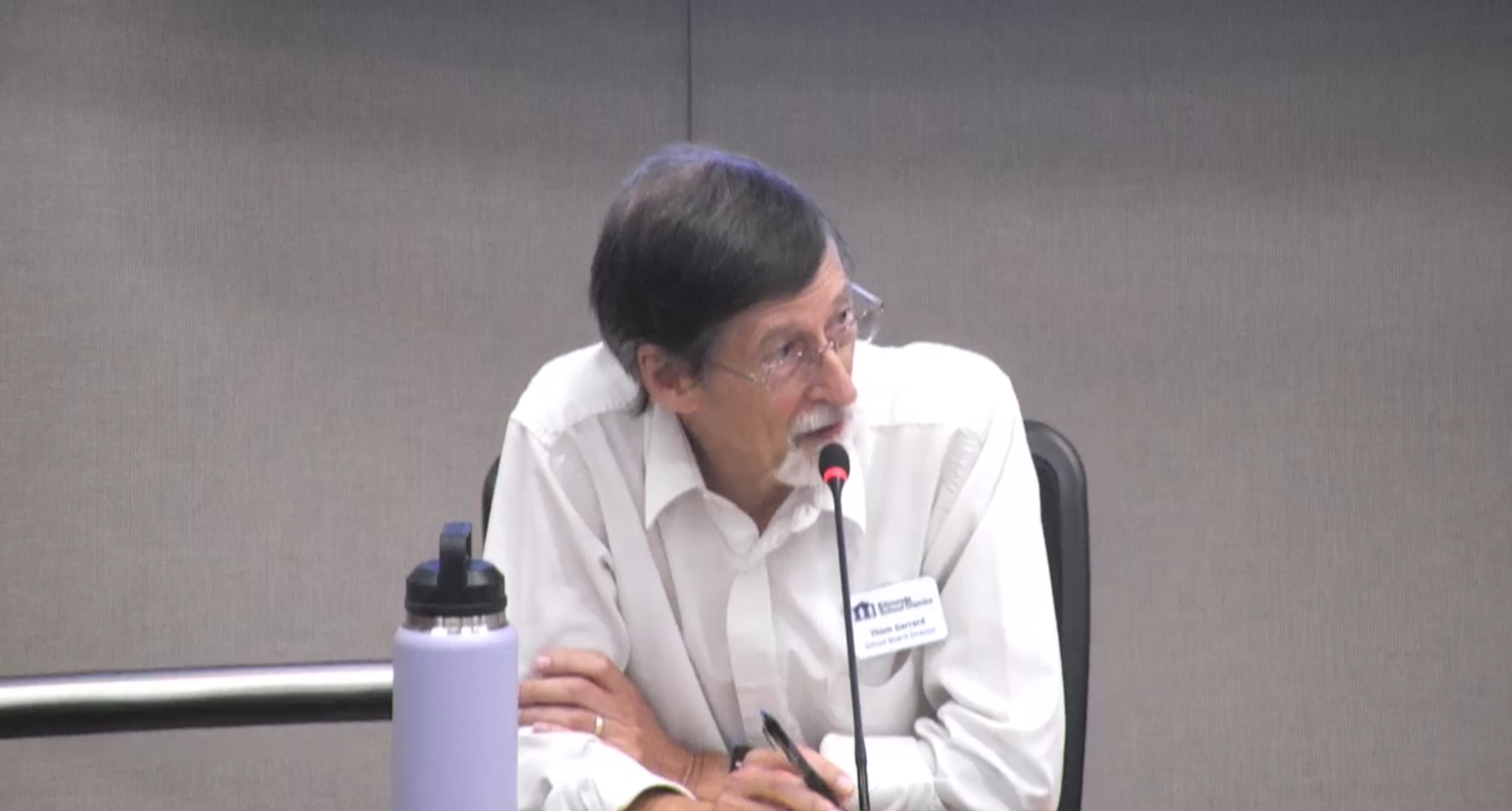
“I just wanted to say how much I appreciate the idea that this is an asset to the students, to be able to be biliterate and bilingual, and that we should foster that ability and encourage it,” said School Board Member Thom Garrard.
The board also discussed Policy 2020, which is based on the new Washington state requirements under Senate Bill 5462, which mandates school districts align their curriculum policies with state models. Katims said that she was “not happy” that “the Legislature is telling us what our policy should say in terms of our curriculum, our instruction, our design, our scope and sequence.”
“I’ve posed some questions to [District Superintendent] Dr. [Rebecca] Miner, and she’s going to be doing a little bit of research to get a sense of what we might do to make sure that everything that is important to our district is not lost here,” Katims said.
Further discussion on Policy 2110 and 2020 will be continued at the next meeting.
During the meeting’s public comment period, Lynnwood resident Joe Olson addressed the board about a recent change in the district’s transportation policy for students attending school on a waiver. Previously, if there was space on the bus, students on waivers could ride with their siblings, but the new policy prohibits this, requiring parents to provide transportation even if seats are available. Olson said that this creates a “hardship.”
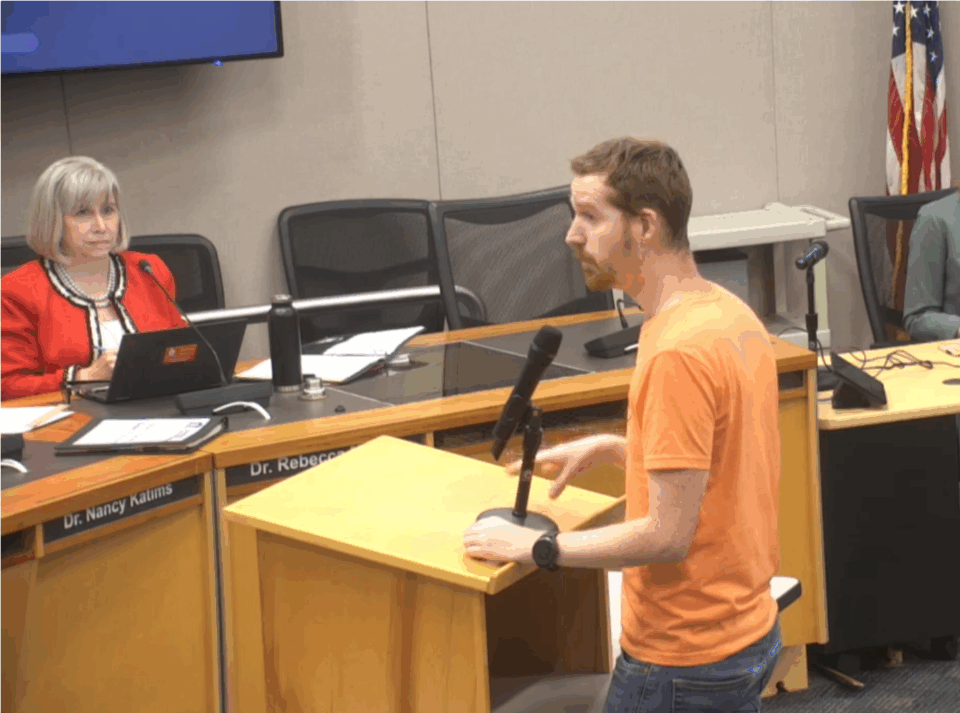
“Due to this new policy, we’re basically told that seats need to sit empty, and you need to get your kid to school,” he said. “This is not only a hardship for the parents who are in this situation, it’s sort of an equity issue because the parents who have the ability to take an hour out of their day and transport their younger siblings are the ones with those means and resources. And the ones who can’t do that will need to say, ‘Well, I’m going to have to pull my older kids from the Challenge program so they can all go to their home school, and they can all take that same transportation.”
Lynnwood resident Heather Glude said that the bus transportation policy is “unsustainable” for families, particularly single and working parents, due to increased transportation time and costs. She also noted the policy’s inconsistent application and the lack of clear communication to families about the change.
“Varying school start times and transportation needs make it impossible for many parents to cover two different drop-offs,” Glude said. “This will force parents to withdraw their child from the highly capable program – not because of academics but because of transportation logistics.”
You can view the video of the board meeting here.
The next school board meeting will be on Sept. 23.
Credit: Source link