Aurora’s latest autonomous trucks it’s rolling out with International feature lower-cost hardware designed for a million miles as the company expands commercial driverless freight operations across the U.S. Sun Belt.
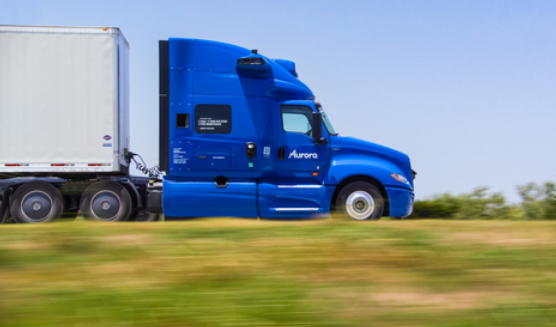
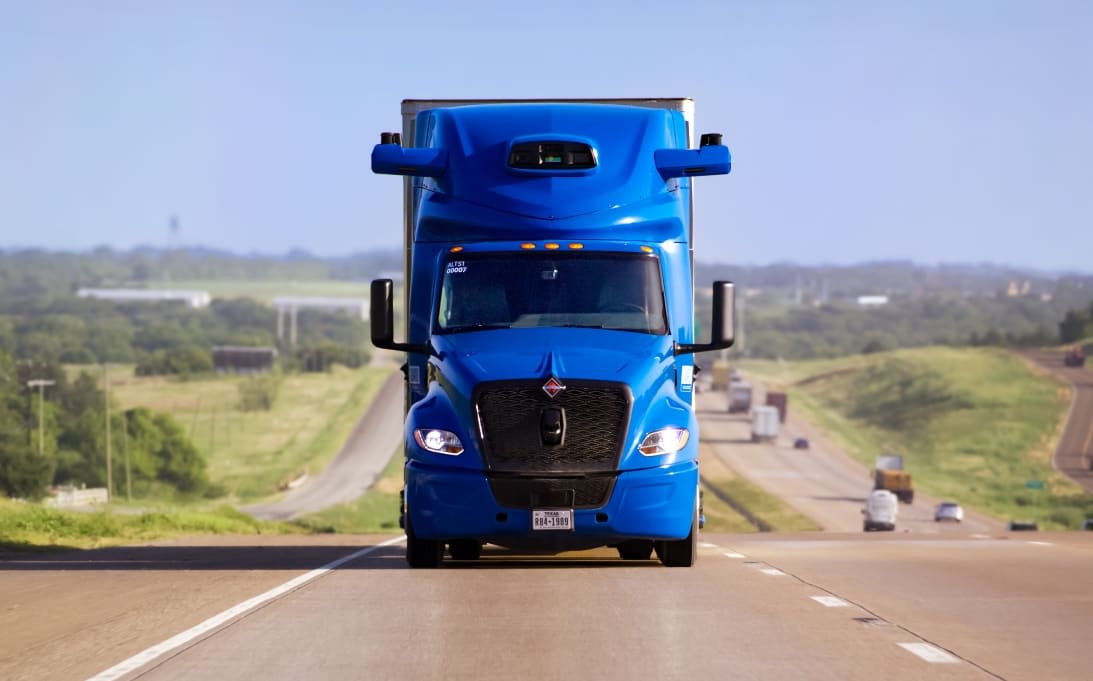
Aurora Innovation announced it has launched its second-generation driverless trucks, with International LT Series trucks powered by Aurora’s next-generation hardware – and no one behind the wheel.
Aurora plans to deploy the new fleet across its commercial network, which currently includes 10 driverless routes throughout the U.S. Sun Belt, to serve additional customers.
Built for a Million Miles
The second-generation hardware kit is designed to last a million miles at 50% or more lower cost, which the company said are key factors for deploying at scale.
Lower hardware costs and longer service life are key for autonomous trucks to move beyond pilot programs.
Roush is installing redundant systems and integrating Aurora’s next-generation hardware into the new trucks at a production facility dedicated to Aurora.
The companies have also formalized an upfit process, positioning Roush to reach an annual production run-rate of 1,000 Aurora trucks later this year.
Why There’s No One Behind the Wheel
The Aurora Driver is a self-driving system designed to operate multiple vehicle types, from freight-hauling trucks to ride-hailing passenger vehicles.
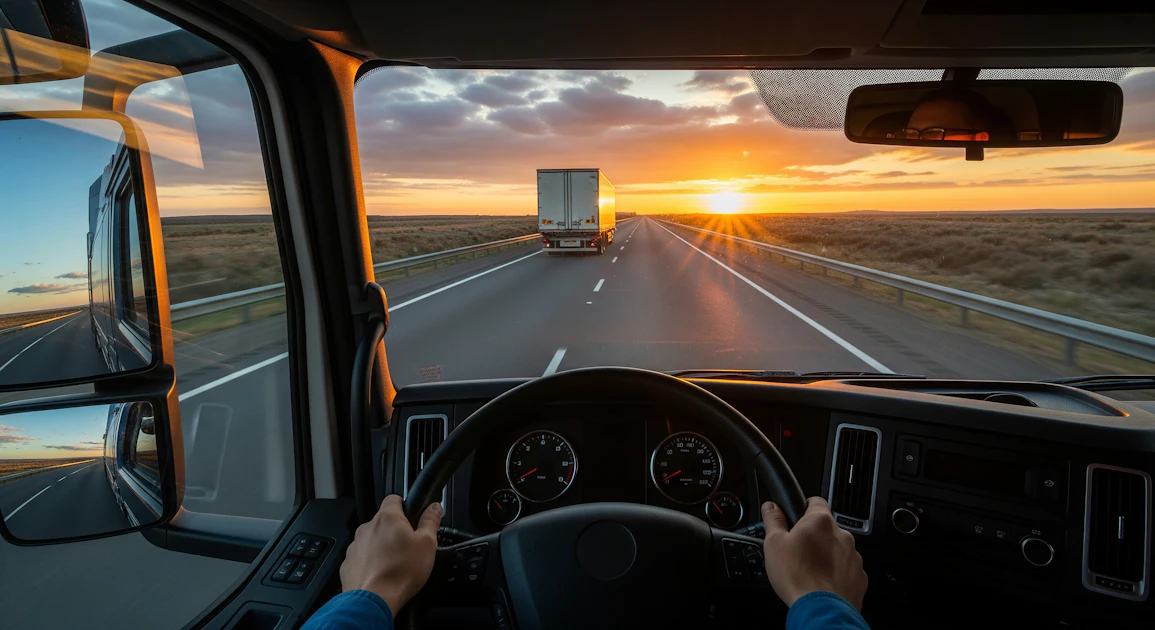
Aurora says these trucks operate with no driver and no safety operator behind the wheel.
The company noted in a blog post that there may be a member of its roadside assistance team riding in the rear seat on some trips, onboard to gather feedback and provide support like roadside assistance.
“To be clear: this person is not there to drive or to supervise the driving. The Aurora Driver does that on its own.”
Last May, Aurora deployed Class 8 trucks powered by the previous generation Aurora Driver on public roads. As of the end of June, the Aurora Driver has completed nearly 440,000 driverless miles.
Seeing a Class 8 truck traveling down the highway with no one in the front seats can be unsettling for some people. After Aurora launched commercial driverless operations last year, Paccar requested that the company place an observer in the driver’s seat of its autonomous trucks.
Aurora told HDT at the time that this was not due to any safety or technical problems. The company said the observer’s role was limited to monitoring the trip and helping if the truck needed breakdown assistance.
An Aurora spokesperson explained that “they could be in any seat, as they do not interact with the truck when it’s operating in driverless mode.”
Validating Autonomous Truck Safety
Prior to launch, Aurora closed its Safety Case, a comprehensive, evidence-based bar it uses to confirm the Aurora Driver is acceptably safe on public roads. The company has used this framework to validate everything from night driving to new routes to El Paso, Phoenix, and Laredo.
Recently, Edge Case conducted a multi-dimensional review of Aurora’s Safety Case, confirming it is “well-structured, substantively aligned with leading industry best practices, and actively maintained,” according to the company.
How Aurora Plans to Scale Driverless Trucking
The new fleet is starting out on Aurora’s Dallas-to-Houston route, and the company plans to deploy it across its entire driverless network in the U.S. Sun Belt (which currently encompasses 10 routes) and future routes.
“We will deploy route capacity where customer volume and market density deliver the greatest value for our customers and Aurora,” a spokesperson told HDT.
In a blog post on its website, Aurora said, “This launch establishes the foundation for scale, proving our ability to deploy autonomous trucking safely and responsibly on the path to high-volume commercial operations.”
One piece of the scaling puzzle? Roadside assistance.
If the truck encounters an issue, the Aurora Driver is designed to pull over to a safe location on its own and resume its trip when it’s able to.
Aurora said it is actively building partnerships with providers who offer breakdown services for traditional fleets, which it expects to go live later this year.
Moving Into Customers’ Hands
“We plan to use these new trucks to haul freight for all of our customers with commercial contracts that have approved driverless operations,” an Aurora spokesperson told Heavy Duty Trucking.
“The rollout will be incremental – customers that have approved driverless operations are Hirschbach, Uber Freight, McLane, Detmar, and more.”
So far, Aurora has been operating in a Transportation as a Service model, where Aurora owns and operates the trucks on behalf of its customers, who pay for dedicated capacity. It expects to offer trucks for customers to own and operate next year.
“Last year’s driverless launch proved our technology could operate safely on public roads – our new platform now provides the foundation to deliver at scale,” said Chris Urmson, CEO and co-founder of Aurora. “Deploying our second-generation truck allows us to put hundreds of autonomous trucks on the road and ultimately into the hands of more customers.”
Aurora’s Autonomous Trucking Milestones in 2026
Aurora started 2026 with ambitious goals. Among its achievements so far this year:
- February: Validated a 1,000-mile driverless run from Fort Worth to Phoenix
- April: Announced with Hirschbach a plan to deploy 500 autonomous trucks
- May: Announced with Volvo Autonomous Solutions the expansion of their autonomous freight network with a new 200-mile route connecting Dallas and Oklahoma City.
Credit: Source link