One bad choice behind the wheel can change a family forever. That’s why more states are turning to technology to slow “super speeders.”
The tool is called Intelligent Speed Assistance. It reads the posted speed limit and can slow a vehicle that exceeds a set threshold.
The Vision Zero Network compares it to the ignition interlock devices used to stop drunk drivers from starting a vehicle. More than 30 states already use those systems.
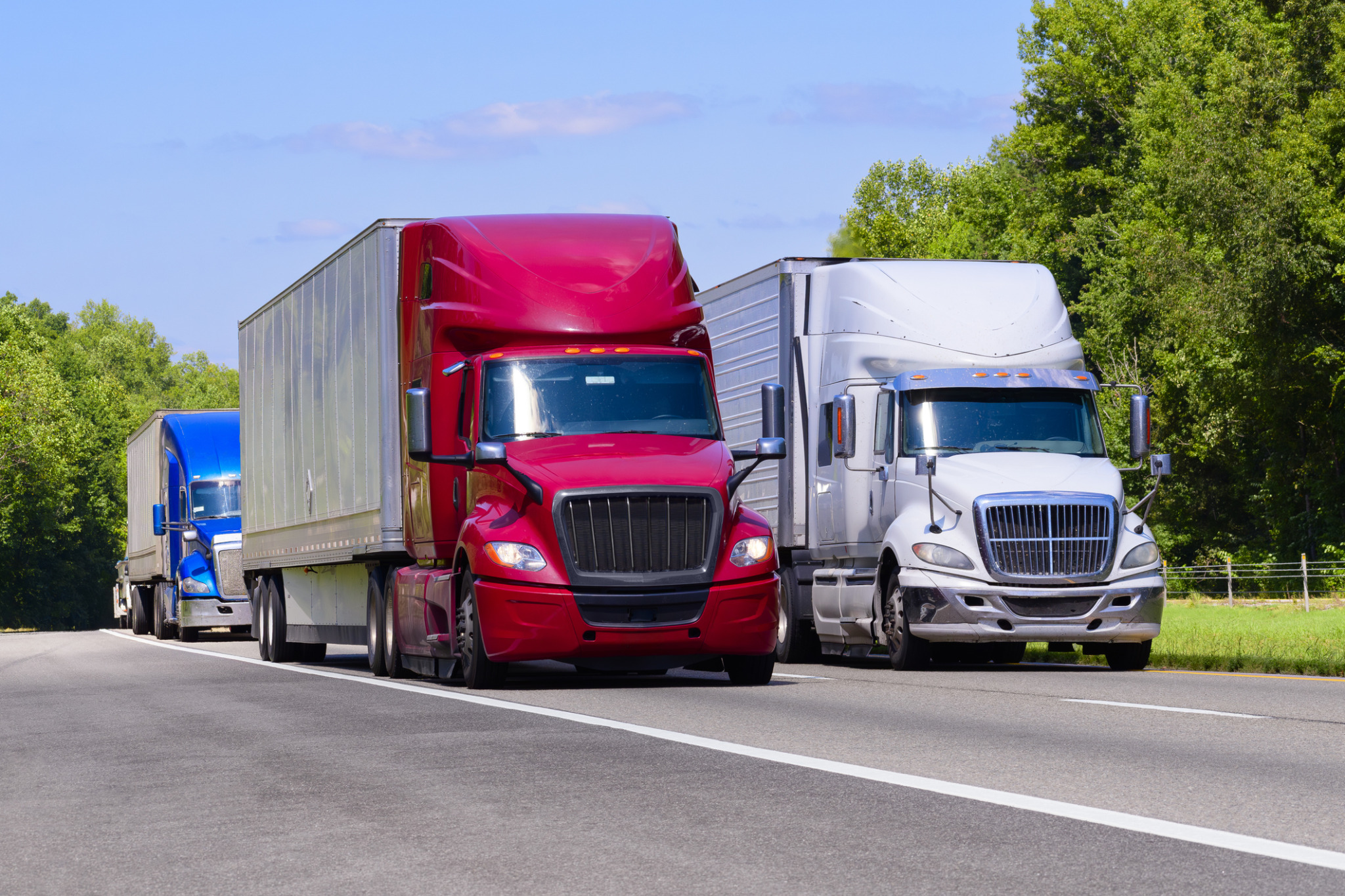
Truckers know all about speed-limiting technology. Basic governors have been installed on trucks for years.
But the Owner-Operator Independent Drivers Association isn’t convinced more gadgets will make roads safer.
OOIDA President Todd Spencer said safer highways start with better-trained drivers. He said another flashing device on the dashboard is not the answer.
States using Intelligent Speed Assistance
States are already putting the brakes on super speeders.
Virginia now allows judges to order speed limiters for drivers caught going 100 mph or faster. The law took effect July 1.
Washington’s law begins in January 2029. Drivers convicted of reckless or excessive speeding must pay to have a speed limiter installed. They can override the device only three times each month. After that, the limiter won’t let them push past the limit.
New York also launched a pilot program in New York City. Starting next year, drivers who rack up 16 or more speed-camera tickets in a year must include the device to keep driving legally.
Maryland
Maryland is joining the growing list of states using speed limiters.
The new law creates an Intelligent Speed Assistance pilot program. Drivers convicted of repeat speeding, reckless driving and other serious offenses would have to install the device to stay on the road.
Supporters say the technology already has a proven track record.
“It is technology that’s been used for over-the-road trucking and long-distance logistics for about a decade,” Delegate Nick Allen, D-Baltimore, said. “This is just another application for this technology.”
Allen said the program gives drivers another option besides losing their license while making roads safer for everyone.
The Maryland Department of Transportation says speed plays a role in one out of every three crashes statewide. Officials believe the devices could finally slow down repeat offenders.
The program begins Oct. 1.
Illinois
Illinois is also putting super speeders on notice.
State officials reported more than 300,000 crashes in 2024. Speed played a role in nearly one-third of them and almost half of all deadly crashes.
The new law creates a speed-limiter program for repeat offenders.
Drivers must keep the device installed for six months to one year to keep their license. The rule targets reckless drivers and repeat super speeders.
Judges can order the devices for drivers who lose their license after two serious speeding offenses within 12 months. The rule would apply for reckless driving or speeding at least 26 mph over the speed limit.
“By providing alternatives to license suspensions, we are ensuring our roadways are safe from the dangers posed by high-speed and reckless drivers and promoting public safety,” said Sen. Julie Morrison, D-Lake Forest.
The new law takes effect on Jan. 1, 2028.
Arizona
Arizona is taking a different route on super speeders.
Instead of automatically revoking a license, judges can order some drivers to install a speed limiter and remain behind the wheel.
The new law gives courts another choice for people convicted of serious speeding offenses.
Drivers who refuse the device would lose their driving privileges. The limiter stays in place for the length of the suspension or revocation.
Devices must have an override feature to allow a person to accelerate up to 10 mph above the posted speed limit for 60 seconds. The law also covers employer-owned commercial vehicles.
Rep. Quang Nguyen, R-Prescott, called it a “get back to work” bill.
“This is not about Big Brother putting a device on you. This is about Big Brother already removing the privilege to drive,” Nguyen said. “All I want to do is to make sure you go to work.”
Drivers convicted of highway racing or reckless driving are not eligible.
The new law takes effect on July 1, 2027. LL
More Land Line coverage of state news is available.
Credit: Source link