U.S. consumers haven’t stopped spending money since the Iran war drove up fuel prices, but many shoppers are reassessing what they buy and where, according to company executives and retail analysts.
The behavior changes observed so far are subtle, such as altered routines for buying gasoline and fewer visits to clothing and furniture stores. They are also uneven across the population.
During recent earnings calls with analysts, executives from American mainstays like Walmart, McDonald’s, and Dollar General cited overall shopper resilience as well as noticeable cutbacks by lower-income customers.
But the new signs of strain cited by major retailers as generous income tax refunds helped shore up their sales make some economists and analysts think they will see a wider retrenchment when the refunds are gone and consumers face the cumulative impact of more expensive gas and higher prices for food and other goods and services.
The U.S. Commerce Department reported that higher prices, not more purchases, accounted for most of the growth in Americans’ spending in April, when a key inflation gauge reached the highest level since October 2023.
Topping up instead of filling up
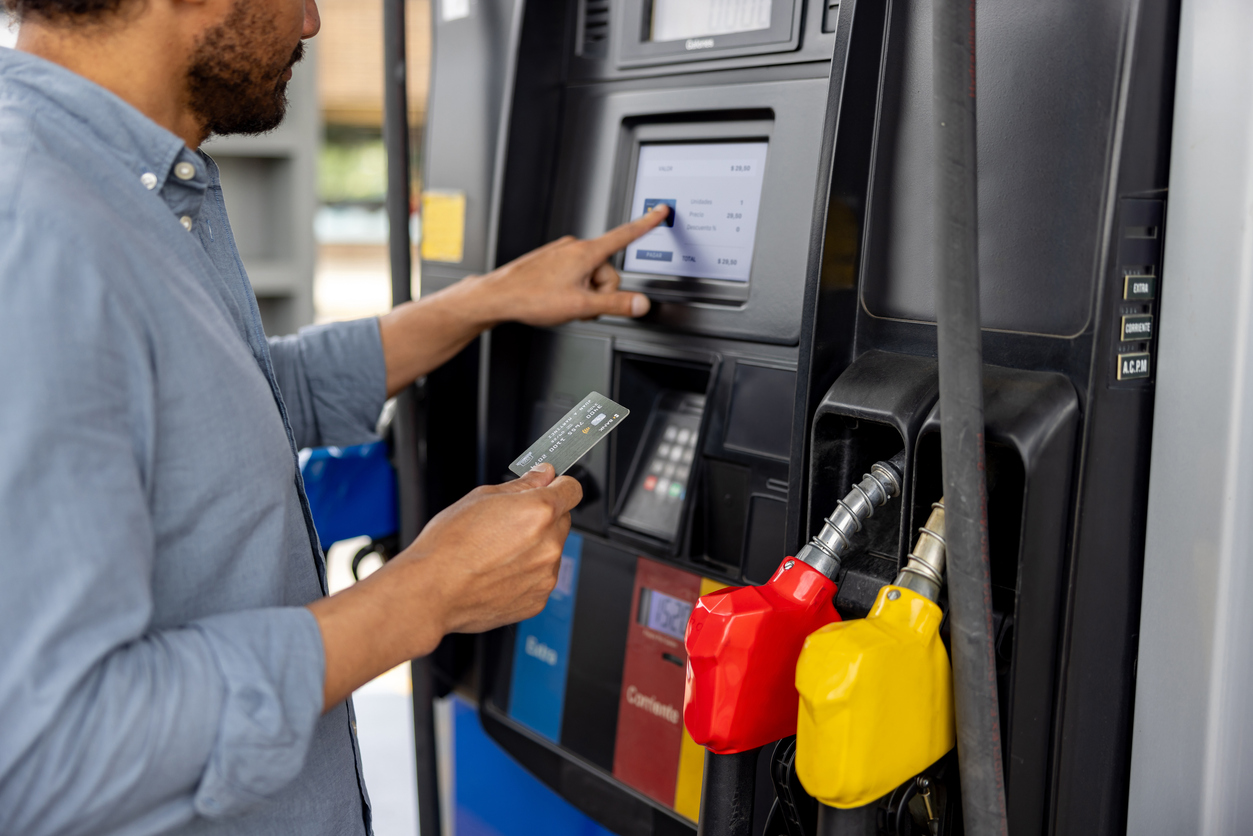
Members-only warehouse stores like Costco, Walmart’s Sam’s Club and BJ’s Wholesale Club have seen more traffic at their fuel pumps since the war began in late February, according to the companies. Fuel typically costs less at the wholesale clubs.
But many drivers are not filling their tanks up, Walmart Chief Financial Officer John David Rainey told analysts late last month. For the first time since 2022, Walmart customers and Sam’s Club members are buying an average of less than 10 gallons per trip, he said.
“That’s an indication of stress,” Rainey said.
Costco members also are making changes. They are visiting store gas stations more frequently to “top up in between what would have normally been a gap between getting the tank to empty because of the concern about what might the gas price be tomorrow,” Chief Financial Officer Gary Millerchip said in late May.
Meanwhile, the gas price surge has hurt convenience stores, where 80% of all fuel is sold in the U.S., according to Jeff Lenard, a vice president at the National Association of Convenience Stores.
A sales analysis by the trade group found that the number of pump transactions at the properties of 130 convenience store companies fell by nearly 10% across March and April compared to the same two months last year. The number of sales inside the companies’ stores dropped by 10.4%, according to the analysis.
Changing eating habits
Higher gas prices did not stop many Americans from dining out in the first two months of the war with Iran. Tax refunds helped, the National Restaurant Association said. Customer traffic at U.S. restaurants in April was unchanged from the same month last year, although a 2.6% increase in restaurant spending resulted largely from higher menu prices, according to market research firm Circana.
But cracks are starting to form as budget-conscious U.S. residents shoulder the combined weight of paying more for gas and other consumer goods on top of increasing costs in other areas from inflation past and present.
The price of gas won’t help bring customers with household incomes of $45,000 or less back to U.S. fast-food restaurants, McDonald’s Chairman and CEO Chris Kempczinski said last month. People in that income group began scaling back their fast-food purchases after the period of inflation that accompanied the end of the COVID-19 pandemic, and the trend picked up speed last year.
U.S.-based restaurant consulting firm Revenue Management Solutions analyzed 14.6 billion restaurant transactions from the last four years and found that as gasoline gets more expensive, restaurant visits gradually decline, according to Chief Research Officer Sebastián Fernandez.
Likewise, Dollar General CEO Todd Vasos cited $4 a gallon gas as a tipping point that had more consumers with household incomes above $100,000 frequenting the discount chain.
Credit: Source link