(Editor’s Note: The candidates’ answers are being published as submitted. The Gazette made only edits for formatting.)
What policies will you advocate for to improve the current economic state of the country as a whole?
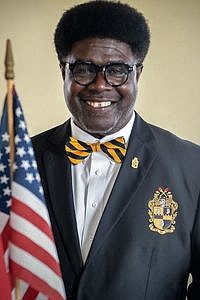
Tracy Andrus: The economy must work for the people who actually do the work. I will advocate for policies that lower everyday costs for working families–housing, healthcare, utilities, food, and transportation. That includes cracking down on price gouging, strengthening antitrust enforcement, raising wages so full-time work pays a livable wage, and expanding access to affordable healthcare. We also need targeted tax relief for working families and small businesses, not special breaks for corporations that offshore jobs. Economic growth should be measured by whether families in East Texas can afford to live, not just by stock market gains.
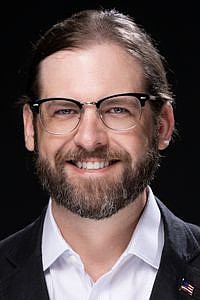
Dax Alexander: To improve the national economy, I will advocate for policies that focus on growth, stability, and fairness. That starts with lowering costs that hit families the hardest, including healthcare, housing, and prescription drugs. Expanding access to affordable healthcare is not just a moral issue, it is an economic one that keeps people and small businesses from being crushed by insurance costs. I support investments in infrastructure, manufacturing, and energy
that strengthen supply chains and create jobs, especially in rural areas that have been left out of past growth. I will also push for stronger enforcement of antitrust laws so large corporations cannot manipulate prices, suppress wages, or drive small businesses out of the market.
Finally, I believe economic growth is strongest when people are rewarded for their labor. That means protecting the right to earn a living wage, supporting job training and education, and ensuring the tax code favors work and entrepreneurship over speculation. A healthy national economy is one where product.
Masika Ray: I am blessed with the gift of forward thinking. I wrote a book titled “Rebuilding Our Spiritual Walls: Set Apart with a Spiritual and Physical Garden.” It discusses the looming famine.
We must return to common-sense economics that empower people, not trap them in dependency. My $1,000 Yearly Self-Reliance Grant aims to restore dignity by helping families grow food, raise livestock, learn hydroponics, and become producers, thereby strengthening local economies. Visit www.MasikaAkilahRay.com for details. I support raising wages responsibly, expanding affordable housing, and investing in vocational training so people can earn without debt. We must bring manufacturing home, cut reckless federal spending, and stop policies that inflate prices. AI should not replace jobs more than humans. Caring for one another elevates communities and nations.
Yolanda Prince: I believe Congress needs to address the price of groceries, end needless trade wars, pass Medicare for All to lower the cost of healthcare, and offer free community college and trade school. Trump’s tariffs have raised the price of everyday goods and have hurt our relationship with many allies. Additionally, I will be a strong advocate for our farmers and ranchers. Congress needs to find ways to increase American beef production, lower costs by raising supply, and ensure ranchers are paid their fair share for their hard work.
How do you feel about the growing lithium industry in East Texas?
DA: East Texas has a real opportunity, but we also have real risks.
Lithium development must be done responsibly. Clean water, clean air, and access to both are already major concerns in our region, and any industry that threatens those resources must be regulated. I support clear environmental standards, transparency for landowners, and enforcement of laws that protect air, water, soil, and public health.
We should not sacrifice our farms, forests, or drinking water for short-term profit. If lithium development moves forward, it must create local jobs, protect landowners, and leave East Texas better for the next generation.
YP: While I am excited about industry and job growth in Northeast Texas, I am deeply concerned about the use of eminent domain.
MR: East Texas has abundant natural resources, and the lithium industry offers a promising opportunity, but it must be managed carefully. My hometown, Mt. Vernon, Texas, where a plant is planned, responsible development can bring jobs and strengthen the economy. We must protect water, land, and property rights, ensuring growth doesn’t harm communities or displace families. I support responsible development with environmental safeguards, local hiring, and infrastructure investments that benefit East Texans. If companies profit from our land, our people must prosper too.
TA: East Texas should benefit directly from its natural resources. I support the lithium industry if it is developed responsibly–with strong environmental safeguards, local hiring requirements, fair landowner compensation, and real revenue returning to local communities. We cannot repeat the mistakes of past extractive industries where profits left and communities were left behind. If lithium is developed here, East Texans should get good-paying jobs, workforce training, and infrastructure investment as part of the deal.
What will you do to empower agribusiness in East Texas?
MR: My Self-Reliance Grant directly supports small farmers, gardeners, ranchers, and agricultural education. I will advocate for reduced regulatory burdens on small and mid-sized farms, expand access to agricultural grants, and strengthen farm-to-market supply chains so our farmers are not crushed by corporate monopolies.
We must also invest in water infrastructure, soil conservation, and agricultural technology training for young people.
TA: Agriculture is the backbone of East Texas. I will fight for fair prices, access to affordable credit, crop insurance protections, and expanded markets for local producers. We need to support small and mid-size farmers, not just corporate agribusiness, by investing in rural broadband, transportation infrastructure, and value-added processing so farmers can keep more dollars local. Empowering agribusiness means helping farmers stay profitable, pass land to the next generation, and compete in a changing economy.
DA: I grew up on a farm, working alongside my family milking cows, and I understand firsthand how hard farmers work and how thin the margins can be. I will fight to protect family farms from consolidation, rein in distributor monopolies, ensure fair prices, and expand access to infrastructure. That includes protecting water access for agriculture, investing in roads and supply chains, and supporting relief and crop insurance programs. When farmers succeed, rural communities succeed, and East Texas thrives.
YP: I oppose the proposed Marvin Nichols Reservoir. I would support legislation that will finally give our farmers the right to repair their own farm equipment. Corporate farm manufacturers have far too long restricted access to basic diagnostic equipment. Additionally, they have placed our farmers under restrictive user licensing agreements that mandate where they can receive repairs, which drives up the costs of already expensive equipment. Furthermore, I do not support President Trump bringing in beef from other countries; Congress should be supporting our ranchers here at home.
How will you help bring a new major employer to the region?
YP: I would learn directly from stakeholders about the issues Texarkana is facing and how they believe Congress could help address them. I would then work in a bipartisan manner with the member of Congress representing Texarkana, Arkansas, to see how we can help overcome the hurdles Texarkana faces in recruiting large employers on the Congressional level.
DA: We already train skilled workers here, especially nurses, healthcare workers, and technical professionals, but too many are forced to leave for better opportunities elsewhere. I will work to attractmanufacturing, logistics, and technology employers who want to buildlong-term roots by partnering with local colleges, hospitals, and workforce programs. That means investing in broadband, infrastructure, and incentives that support startups, local hiring, and good wages.
East Texas can lead in manufacturing, logistics, and technology centers if we connect training pipelines and workforce to real opportunities at home.
TA: Companies invest where communities are prepared. I will work with local leaders to align workforce training, infrastructure, housing, and permitting so East Texas is competitive. That means partnering with colleges, trade schools, and employers to build a skilled workforce, improving broadband and transportation, and ensuring communities can support growth without driving up living costs. We should recruit employers who commit to local hiring, fair wages, and long-term community investment–not short-term tax giveaways.
MR: I will secure federal funding for transportation, broadband, and workforce training, promoting partnerships between community colleges, trade schools, and industry to supply skilled workers. I’ll also boost recruitment in sectors like advanced manufacturing, energy, logistics, and agricultural processing. Relying on many mid-sized businesses, entrepreneurs, and large employers ensures diversification and stability.
What do you feel is the most important issue facing Texans today?
TA: Affordability. Texans are working harder but falling further behind. Rent, groceries, healthcare, insurance, and utilities are outpacing paychecks. If families can’t afford to live where they work, nothing else matters. My focus is simple: make East Texas affordable again so working people can build stable lives, strong families, and thriving communities.
MR: The key issue for Texans is affordability and stability for working families. Despite hard work, rising costs for groceries, housing, healthcare, and utilities strain families, affecting mental health, safety, and education. Beyond costs, many feel unheard and disconnected from leadership. My campaign slogan, ‘Humility in Strength,’ means leaders listen, serve, and govern responsibly. We must lower costs, boost wages, support small businesses, protect families, and rebuild trust. I am running to serve, not for power. When East Texas prospers, Texas and America prosper.
DA: Access to healthcare, economic opportunity, and quality education. In rural Texas, too many families drive hours for care, watch jobs leave town, and see public schools struggle for resources. When we invest in healthcare, public education, and local economies, everyone benefits.
These aren’t partisan issues, they’re practical ones. Texans deserve a future where they can live, work, learn, and get care without leaving the place they call home.
YP: Healthcare affordability and rural hospital closures are together the most important issue facing Texans today. Rural East Texas has seen the most hospital closures in the state, with some having to drive hours away for specialist visits or general healthcare. Congress must pass legislation to raise the rate that Medicare pays providers and hospitals. Passing Medicare for All, a single-payer healthcare system, would ensure all Americans have health insurance, with no co-pays or deductibles.
Credit: Source link