We already knew that the Owner-Operator Independent Drivers Association, International Brotherhood of Teamsters, Truckload Carriers Association and Advocates for Auto and Highway Safety oppose efforts to increase the maximum truck size and weight.
Even more, about two dozen organizations, including the National Association of County Engineers, comprise the Coalition Against Bigger Trucks.
But the opposition isn’t confined to national organizations. City and county leaders from across the nation also have their concerns about making trucks bigger and heavier.
On Monday, Sept. 15, more than 2,200 local government leaders issued a joint letter asking congressional lawmakers to oppose any increases in truck size or weight, including heavier single-trailer trucks. The letter is signed by city and county officials from all 50 states.
“Local communities and our residents are what drive this country,” the letter states. “We work every day to make sure the needs and safety of our residents are met. Allowing heavier and longer trucks will most certainly set us back in our efforts. Much of our transportation infrastructure that connects people to jobs, schools and leisure is in disrepair, in part because local and rural roads and bridges are older and not built to the same standards as interstates. Many of us are unable to keep up with our current maintenance schedules and replacement costs because of underfunded budgets.”
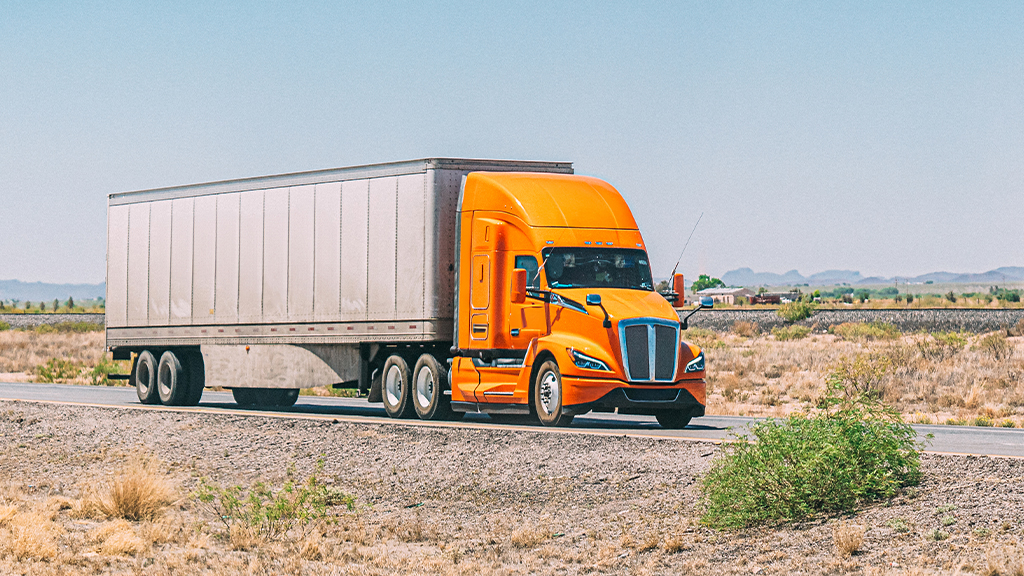
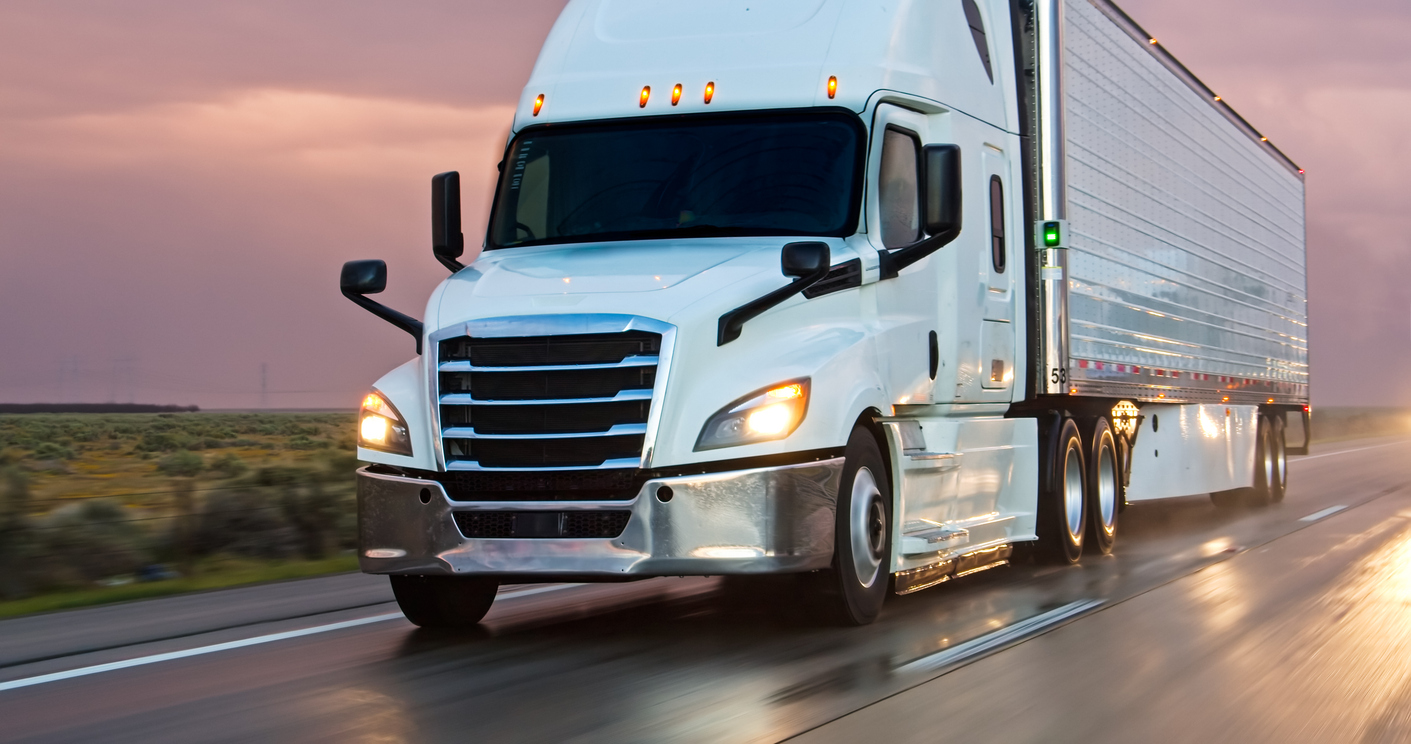
The current weight limit is 80,000 pounds. In recent years, there have been efforts in Congress to increase the truck size and weight limit to 91,000 pounds.
“The impacts of heavier or longer tractor-trailers would only worsen these problems,” the local leaders wrote. “Millions of miles of truck traffic operate on local roads and bridges across the country, and any bigger trucks allowed on our interstates would mean additional trucks that ultimately find their way onto our local infrastructure. Heavier and longer trucks would cause significantly more damage to our transportation infrastructure, costing us billions of dollars that local government budgets simply cannot afford, compromising the very routes that American motorists use every day.”
A study released by the Coalition Against Bigger Trucks in March indicated that an increase would place between 65,157 and 82,457 local bridges at risk. Replacing those bridges would come with a price tag between $70.6 billion and $98.6 billion, the study said.
Rep. Jerrold Nadler, D-N.Y., voiced concerns during a House subcommittee hearing in February about how an increase would affect local communities.
“No truck loads and unloads on an interstate,” Nadler said. “They all eventually rely on local infrastructure.”
OOIDA recently told lawmakers that in addition to being bad for the roads and bridges, a truck size increase would be detrimental to small-business truckers.
“Increasing size and weight is all cost and no benefit for truckers,” OOIDA wrote in a letter to transportation leaders in the House and Senate in late August. “Proponents of weight increases portray these new limits as completely optional and maintain that carriers won’t have to haul at these weights if they don’t want to do so. But inevitably, the higher limits become the new standard as businesses and shippers seek out carriers that offer the increased capacity.”
The American Trucking Associations, meanwhile, has been supportive of efforts to increase truck size and weight. LL
Credit: Source link