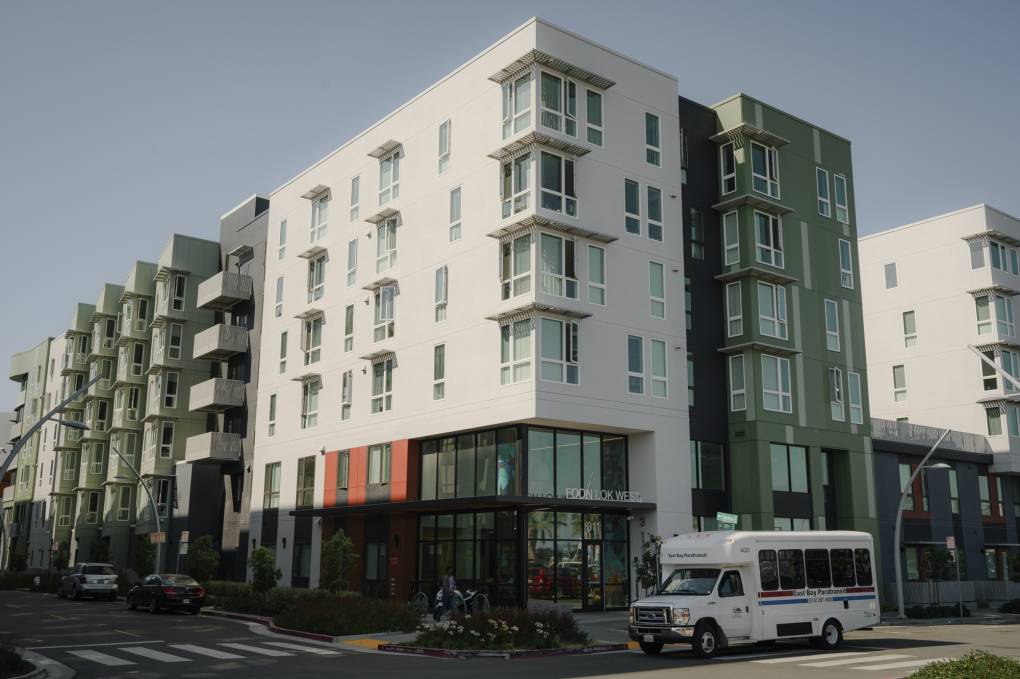
The first was the 241-unit Orion building, which opened just months before the COVID-19 pandemic took hold. Last year, tenants began filling up the 241-unit Artizan Apartments. This month, the first phase of the 378-unit Caspian will welcome its first residents. Rents start around $2,000 per month for a studio and range up to $5,300 for a three-bedroom apartment.
“Now that the project is successful, people say, ‘Oh, yeah, I’ve always loved that project,’” Ghielmetti said. “But there were a group of folks that didn’t and sued and delayed it. Those parks could have been opened five, eight years earlier. And the housing should have been there five, eight years earlier.”
The Bay Area has not built nearly enough housing to keep up with job and population growth for the past few decades, according to Sarah Karlinsky, a housing and land use policy expert with SPUR, a San Francisco-based planning and urban development think tank.
A 2021 report from SPUR (PDF) found that the nine-county Bay Area added about 360,000 homes between 2000 and 2018, about one-third of what was needed. The organization estimates that the Bay Area needs to produce at least 2.2 million more homes by 2070, or roughly 45,000 units per year.
When a megaproject can add thousands of homes to a city’s inventory, Karlinsky said, that is significant.
“Even if our future population growth is not as strong as our prior population growth, we still have an affordability crisis, we still have incredibly expensive housing,” she said. “We’ve actually pushed out a lot of our low- and middle-income households to either far-flung portions of the region, outside of the region to the Central Valley or to other states entirely. And that is not healthy.”
All over the Bay Area, developers and city planners are reimagining numerous sites, including former industrial parks, military bases or massive parking lots. Treasure Island, a former naval station, is slated for more than 8,000 homes. Google is crafting plans for about 13,000 homes in downtown San José near Diridon Station. The San Francisco Giants are converting 28 acres of former surface parking in Mission Bay into 1,200 homes and 1.7 million square feet of commercial space. In San Mateo, developers have turned the former Bay Meadows Racetrack into an urban village now home to tech company offices, 1,000 homes, parks, restaurants and breweries.
“[Megaprojects] are not going to solve our housing crisis. But without them, we have no chance of solving our housing crisis,” said Matt Regan, senior vice president of public policy for the Bay Area Council, a business advocacy group.
The state’s lengthy and complicated development process could be faster for smaller projects, Karlinsky said, but megaprojects are a different category.
“These are going to be people’s homes for generations, right? So you really want to make sure you get the environmental right. You want to make sure that you get the planning right,” she said. “They are the sort of projects that I would say are deserving of more community input and more scrutiny. And so, they do take a really long time to get done.”
In 2015, nonprofit developer MidPen Housing signed on to build the affordable housing component of Brooklyn Basin, including four subsidized buildings for low-income seniors, families and formerly homeless people. Those units will make up around 14% of all the homes in Brooklyn Basin.
Three of these affordable housing projects, including the one where Johnson lives, are completed and have added 341 homes that are now occupied. The fourth, a 124-unit building, is under construction. The cost of all four buildings, funded by a combination of local, state and federal grants and loans, is around $340 million.
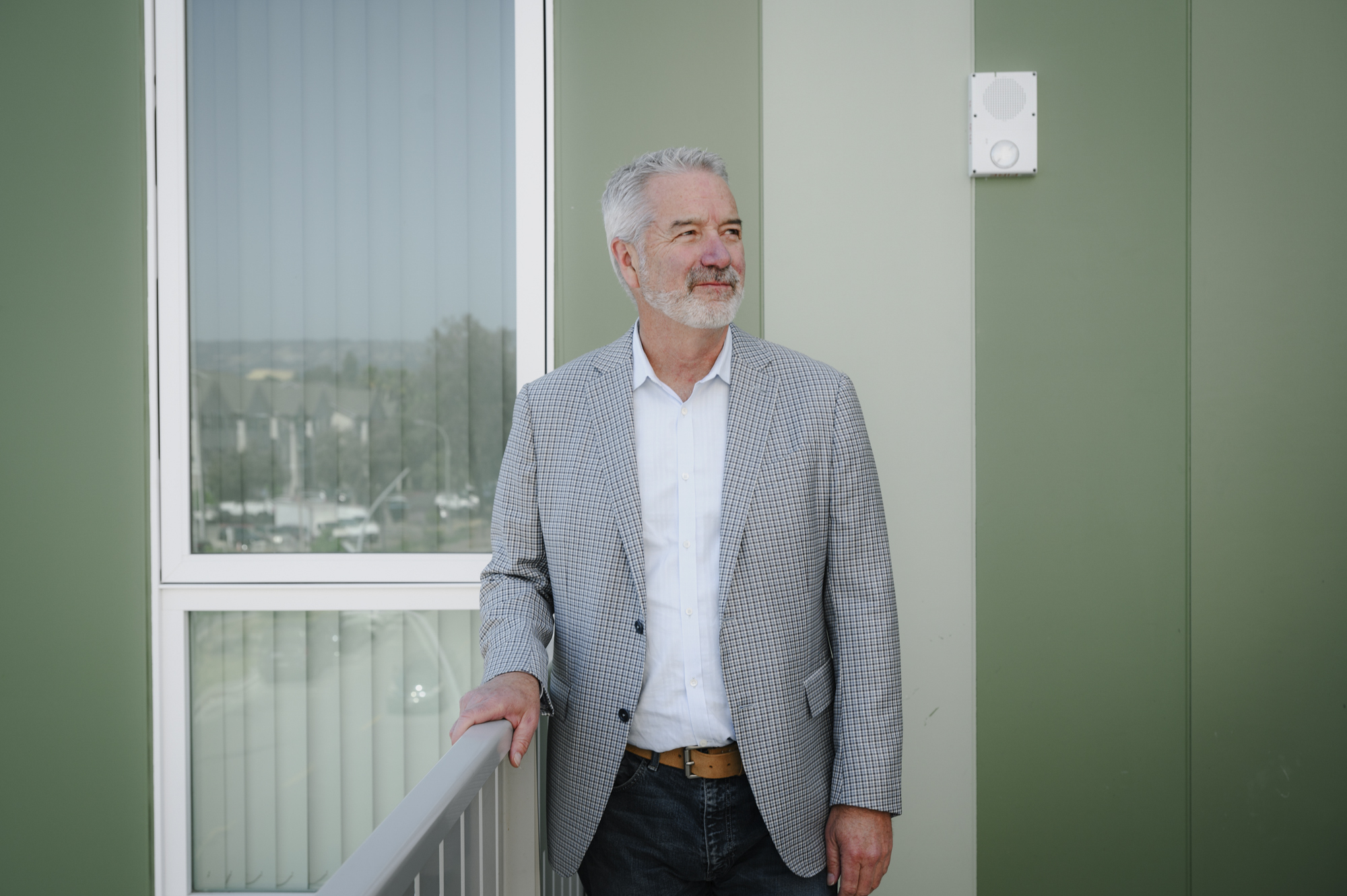
“We feel really fortunate to be able to do 465 units in a new neighborhood in this central location in Oakland,” said Matt Franklin, head of MidPen. “We got over 13,000 applications for the three phases that we have done here. That’s just a small representation of how deep the need is here in Oakland and really throughout the Bay Area.”
MidPen was drawn in by the waterfront and park space, but also the density of the buildings, Franklin said. Building up to seven or eight stories allows for more residents to access the neighborhood’s views and amenities.
Credit: Source link