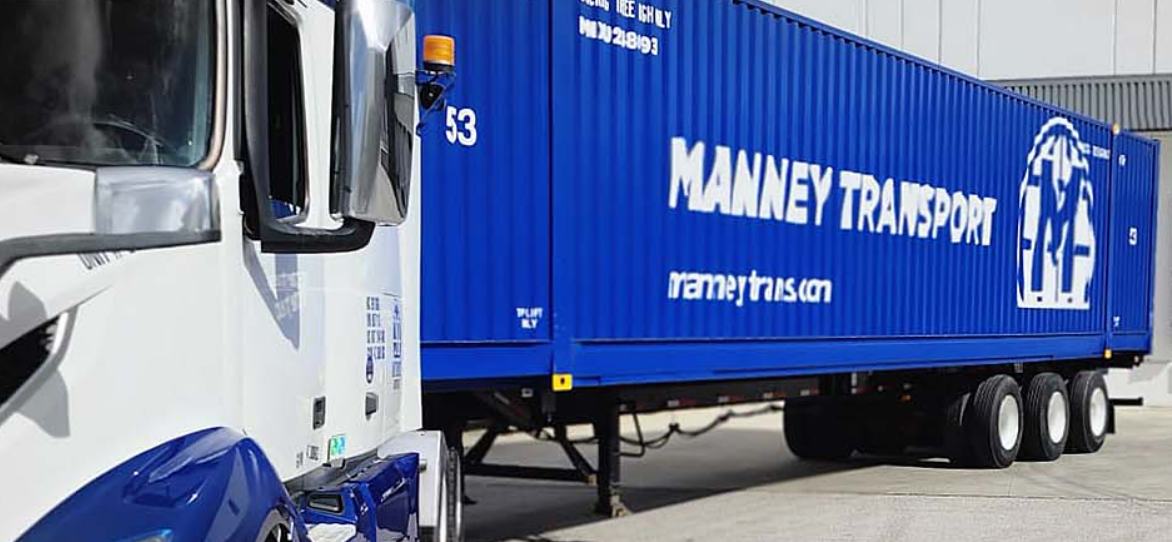
In the U.S., there are more than 13.5 million medium- and heavy-duty trucks in service today, and nearly all rely on fossil fuels. These vehicles power our economy and high-quality lives. They are responsible for moving 72% of all the goods we consume, but they burn over 44 billion gallons of diesel fuel every year, emitting 472 million metric tons of GHG emissions in 2021 alone. The need to accelerate the phase-out of fossil fuels and transition to a more sustainable transportation system is essential now more than ever, and many companies are looking for ways to reduce their carbon footprint.
In 2017, I transitioned from the traditional oil and gas industry to renewable fuels at Neste, the leading producer of renewable diesel (RD). I was asked regularly: What’s the difference between renewable diesel and biodiesel? These two are often confused with each other – but they are not the same. As you consider the best solution for your fleet, it’s important to research and know the facts.
What’s the Difference?
Put simply, renewable diesel is a pure hydrocarbon diesel fuel that is chemically similar to fossil diesel, and is known as Hydrotreated Vegetable Oil (HVO) fuel, whereas biodiesel is a Fatty Acid Methyl Ester (FAME) product which is not a hydrocarbon.
While both are derived from renewable sources and provide their users lower GHG emissions than traditional diesel fuel, the main differences between the two are in their chemical compositions, performance in cold weather, and storage capabilities.
Renewable Diesel Is a Lower-Emission Substitute for Fossil Fuel
Renewable diesel is produced through a hydrotreatment process. It’s chemically similar to conventional diesel and can be used neat or blended at any ratio. Neste-produced, Neste MY Renewable DieselTM reduces GHG emissions by up to 75% over its life cycle when compared to fossil diesel in the U.S., while providing the same high level performance. Neste MY Renewable Diesel is the first TOP TIER certified renewable diesel fuel, and can be used in any diesel engine without modification.
On the other hand, biodiesel contains oxygen, making it different from both fossil diesel and renewable diesel and therefore can not act as a 100% substitute for traditional diesel. Nearly all OEMs (original equipment manufacturers) limit biodiesel content to 20% with some only allowing 5%, so its potential for reducing GHG emissions is not as significant as RD.
Renewable Diesel and Biodiesel Are Chemically Different
Although both fuels are produced from renewable raw materials, they are chemically different. Renewable diesel is more versatile. Advanced production technologies ensure that it is a drop-in solution that can be used in a pure form, with no blending required, in all diesel engines without any modifications to them.
Neste MY is produced by its proprietary NEXBTL technology, using a combination of hydrotreating and isomerization that enables a wide variety of low-quality waste and residues to be turned into high-quality fuels and other renewable products. Regardless of which raw materials are used, the quality of Neste MY is always the same. This is a big difference compared to biodiesel which is produced through an esterification process. The process does not offer the same guarantee in quality as properties of FAME depend largely on what raw materials are used and can vary between producers.
A High Cetane Number and Excellent Performance in Cold Temperatures
Cetane number indicates ignition properties and signifies how well an engine starts in cold weather and contributes to a cleaner, more efficient combustion. The higher the cetane number, the better the engine starts.
When produced for the North American markets, Neste MY’s cloud point, which indicates when fuel starts to be affected by cold temperatures, is as low as -20°C.. Biodiesel can greatly be affected by cooler temperatures, depending on which raw materials were used.
No Limit for Storage Time
Neste MY can be stored for extended periods of time, without any risk that its properties change. Unlike biodiesel, renewable diesel does not attract water. This means that with the right handling and storage, the risk of microbial growth is similar to fossil diesel with no additional precautions needed.
Making the Switch
Switching to renewable diesel enables fleet owners and operators to surpass stringent GHG reduction targets, offering an effective emissions reduction strategy for companies and helping cities and businesses achieve ambitious sustainability goals more affordably and quickly.
Matt Leuck is the Technical Manager of Renewable Road Transportation at Neste US, based in Houston.