The Georgians, though more experienced with labour struggles, were not politically homogeneous. The people I spoke with displayed diverging political opinions and voting preferences, though these cultural, linguistic, and political differences were no obstacle during the picket.
During the week I spent with them, I witnessed several moments where the protesting drivers disagreed, but they often repeated, almost ritually, that they were standing together. Even a casual handshake was often accompanied by the word vmeste (“together”). And these were not just words: the level of mutual trust was high, even among people who hadn’t known each other before the strike.
On what would be the last night, as the companies agreed to pay, and the withheld wages started appearing in the drivers’ banks accounts, many prepared to leave, packing their luggage and food. But as time wore on it became clear one of the companies still had yet to settle up with its workers, who kept looking at their phones, nervously refreshing the webpages of their bank accounts.
The other workers decided to sleep one more night in their trucks, without dinner, instead of abandoning their comrades. They said the strike had begun based on three principles: “together”, “either everybody or nobody”, and “until the end”. They stuck to their word.
When the whole €300,000 [around £260,000] owed to the drivers had at last been paid, long and emotional farewells accompanied the departure of the drivers. Some were leaving for their home countries; others had already found new employment with different logistics firms.
The picket at the parking lot had been an island, a place of passage along the great routes of global logistics. It never ceased to be so, during these weeks, as fellow truck drivers and other motorists weaved through the two lines of parked trucks, often bringing solidarity and supplies.
After the strikers left on buses and cars, Mazur representatives mushroomed, checking and removing each truck.
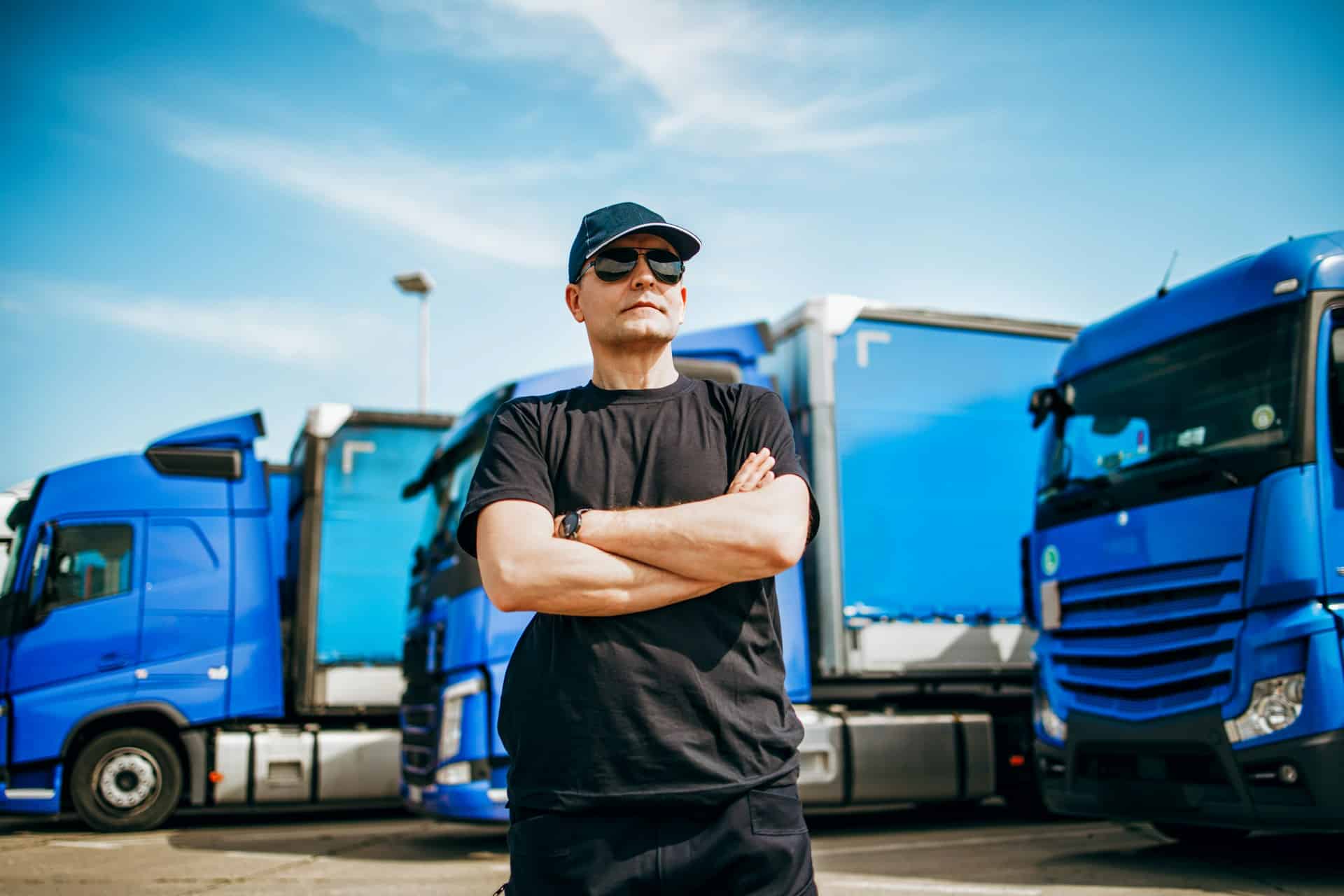
The dozens of blue vehicles that had gathered for the strike had made visible the reality of logistics that is behind most of the products we consume – a reality that we rarely notice. With the strike over, that reality has again become near-invisible.
* Names have been changed
Credit: Source link