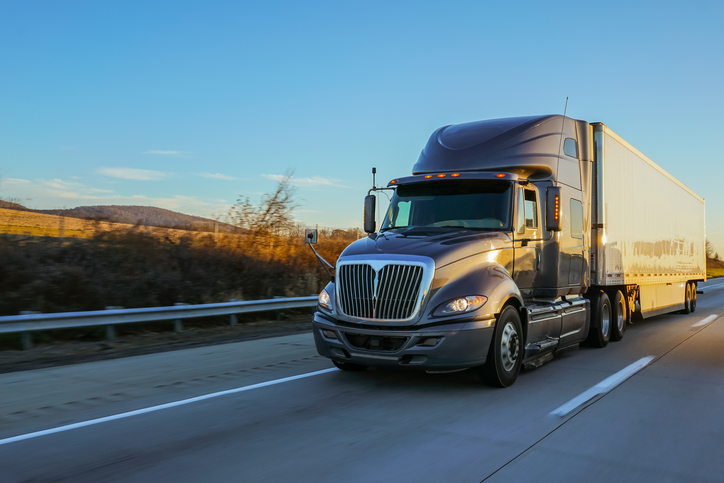
Trucks and other diesel fuel vehicles will be spared a scheduled 12-cents-per-gallon hike in the base rate of Connecticut’s 49.2-cent diesel tax for at least one year, as part of a little known section in the new state budget.
Nestled on page 213 of the 272-page document that was signed into law last month by Gov. Ned Lamont and which took effect on July 1, the provision was a bit of a surprise for the state’s trucking and fuel industries. John Blair, president of the Connecticut Motor Transport Association, said Wednesday that the extent of potential benefits remains to be seen for the industry. Diesel fuel taxes are calculated based on a combination of the flat 29 cents and a variable rate based on last year’s average wholesale per-gallon price that gets multiplied by the state’s gross-earnings tax on petroleum products.
“It could work for us or against us,” Blair said in a phone interview from the association’s Hartford headquarters. “It could be helpful as long as the per-gallon stays below last year’s.” When state lawmakers dropped the tax on regular gasoline at the height of the COVID-19 pandemic, truckers wanted to be included, but the industry was left out of the benefit, Blair recalled.
In addition, since Jan. 1, the trucking industry has been assessed more than $35 million in a new highway use tax, which is budgeted for about $90 million in state revenue in the full calendar year, but which Blair noted seems to be under-performing. Republican lawmakers last spring warned that the highway tax could be an existential threat to the state’s trucking industry, from lumber yards, concrete plants and garden nurseries, because higher operating costs necessarily get transferred to consumers.
The variable rate gets calculated each year by the state Department of Revenue Services. On July 1, 2022, the diesel tax increased 9.1 cents from 40.1 cents per gallon. Revenue goes into the state’s Special Transportation Fund for road and highway projects. State Sen. Cathy Osten, D-Sprague, who is co-chairwoman of the Appropriations Committee, said Wednesday that she wasn’t certain how the tax freeze got put into the budget, but it means a savings of about $37 million over the next year for the trucking industry.
Chris Herb, president of the Connecticut Energy Marketing Association, said Wednesday that with the $2.4-billion Special Transportation Fund no longer projected to run a deficit, it makes sense to hold the line on diesel taxes. Still he, like Blair, was surprised that the tax freeze was inserted in the new two-year spending and tax package. “When the budget came out, it was not a discussion happening in the background,” Herb said in a phone interview. “For the last decade we have been asking for the diesel fuel tax to be fixed. This was not the result of a conversation the (Lamont) administration or the (legislative) caucuses had with us. I hope it is signaling that the conversation is open in the future for a permanent freeze. It is in the best interests of consumers.”
At the height of the gas tax holiday, consumers were not taxed for as much as 92 million gallons in a month, according to the state Department of Revenue Services. In April of this year, 21.2 million gallons of diesel fuel was sold, compared to 23.2 million during April of 2022.
State Rep. Holly Cheeseman of East Lyme, a top Republican on the legislative Finance, Revenue and Bonding Committee, recalled Wednesday afternoon that freezing the diesel tax was not part of the revenue package approved at the committee level, but appeared during the final negotiation process as the General Assembly pushed toward its June 7 adjournment.
“I think it’s a recognition of the absence of some sort of action, previously, and creates the perception that the government was doing something,” Cheeseman said in a phone interview. She noted that GOP lawmakers were able to save companies a little money by changing the time table for filing highway use taxes from monthly to quarterly. “No one can argue the fact that increasing that the cost of supplying goods hits people at the end.” She noted that the moratorium on the gasoline tax, along with the phasing-in of its return, means people are back paying more for gasoline.
Democrats recently boasted of the new provision.
“I’m pleased that the budget cancels a planned increase in the diesel fuel tax that had been scheduled to go into effect,” Senate President Martin M. Looney, D-New Haven, said in a statement.
“Our state budget was crafted with an eye toward middle-class tax relief and investments that grow our economy and protect our quality of life,” said state Senate Majority Leader Bob Duff, D-Norwalk.
“We are constantly looking for opportunities to lower the cost of doing business in Connecticut,” said state Sen. John Fonfara, D-Hartford, co-chairman of the tax-writing Finance, Revenue and Bonding Committee. “This change is certainly a big step in that direction, as fuel costs are a significant percentage of expenses not only for the trucking industry, but for all markets that rely on the sale of goods.”
“Transportation costs are a component of all consumer consumption in Connecticut, and I’m glad we took the opportunity to help control those costs for everyone in the state,” said state Rep. Maria Horn, D-Salisbury, co-chairwoman of the Finance Committee.
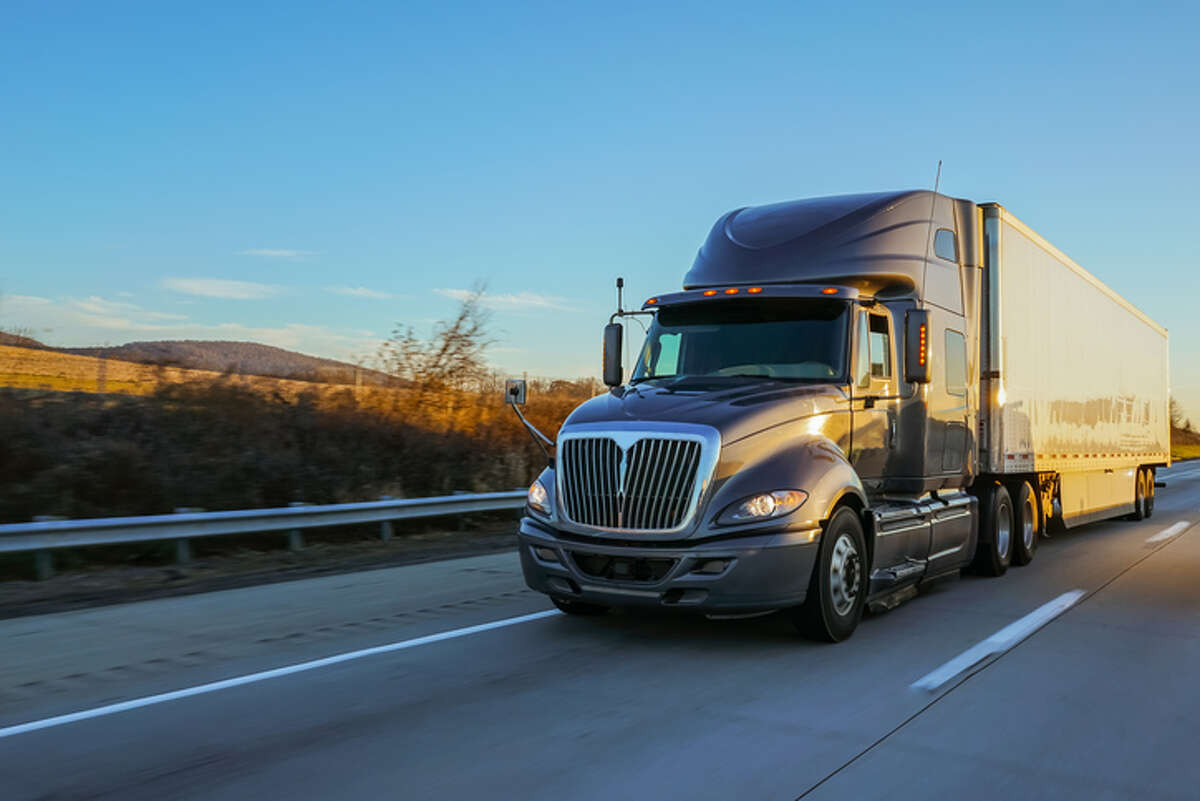
Starting July 1, tractor trailers would have had to pay higher per-gallon taxes on diesel fuel in Connecticut, but a little-known provision of the new state budget has frozen the tax at last year’s rate.
5m3photos/Getty Images
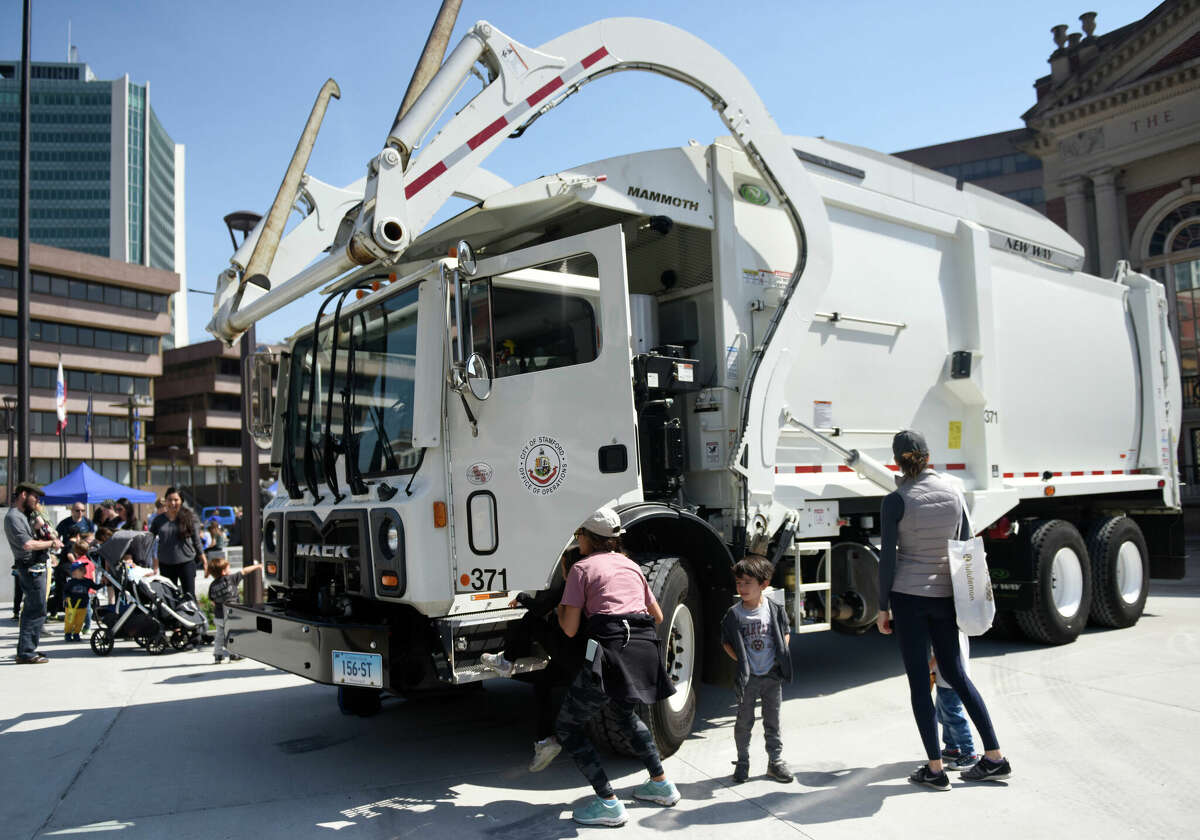
Owners of diesel trucks and cars will continue to pay last year’s per-gallon tax rate on diesel fuels, because of a little known section in the new state budget.
Tyler Sizemore/Hearst Connecticut Media

Senate President Pro Tempore Martin Looney, D-New Haven
File photo

Senate Majority Leader Bob Duff, D-Norwalk
Brian A. Pounds/Hearst Connecticut MediaCredit: Source link