Some of the largest truck manufacturers in the country struck a deal with California, accepting the state’s plan to ban the sale of new diesel big rigs by 2036.The so-called Clean Truck Partnership was reached between the California Air Resources Board and companies, including General Motors and Daimler Truck North America.It creates a path toward the 100% use of zero-emissions medium-and heavy-duty trucks on the road by 2045, according to a news release from Gov. Gavin Newsom’s office.”This really puts our state on track for meeting our climate goals and protecting the health of frontline communities,” CARB Deputy Executive Officer Sydney Vergis said.The agreement gives truckmakers more flexibility in making that transition and requires CARB to give them at least four years of lead time on new regulations and at least three years of regulatory stability before imposing new requirements.Read the full agreement here. In return, manufacturers have committed to meeting California’s standards regardless of the outcomes of any challenges in court.”Obviously, there were some discussions behind the scenes, and they’ve come up with an agreement that is really surprising, that they have agreed regardless of what happens in the litigation that’s pending in the D.C. Circuit,” said Joe Rajkovacz with the Western States Trucking Association.The trade association representing many small business motor carriers, primarily based in California, joined more than a dozen states in filing a lawsuit against the U.S. Environmental Protection Agency over the waiver the federal agency granted California, which allowed the state to set strict heavy-duty truck emission standards.”There’s a lot of talk and good wishes from the state, but, in many of our views in trucking, they have put the cart ahead of the horse here,” Rajkovacz said.He said the biggest concern is infrastructure.”It just isn’t there. No matter how hard people have tried to get the power company to wire up their properties, it’s just not happening,” he said.However, CARB said, time is on California’s side.”Any regulation CARB passes, including the ones we’re talking about, don’t go into effect overnight,” Vergis said. “This doesn’t affect all vehicles at once. This will be phased in over the course of two decades.”The governor’s office said the state is investing $10 billion to help with the transition, including supporting zero-emission trucks and infrastructure.
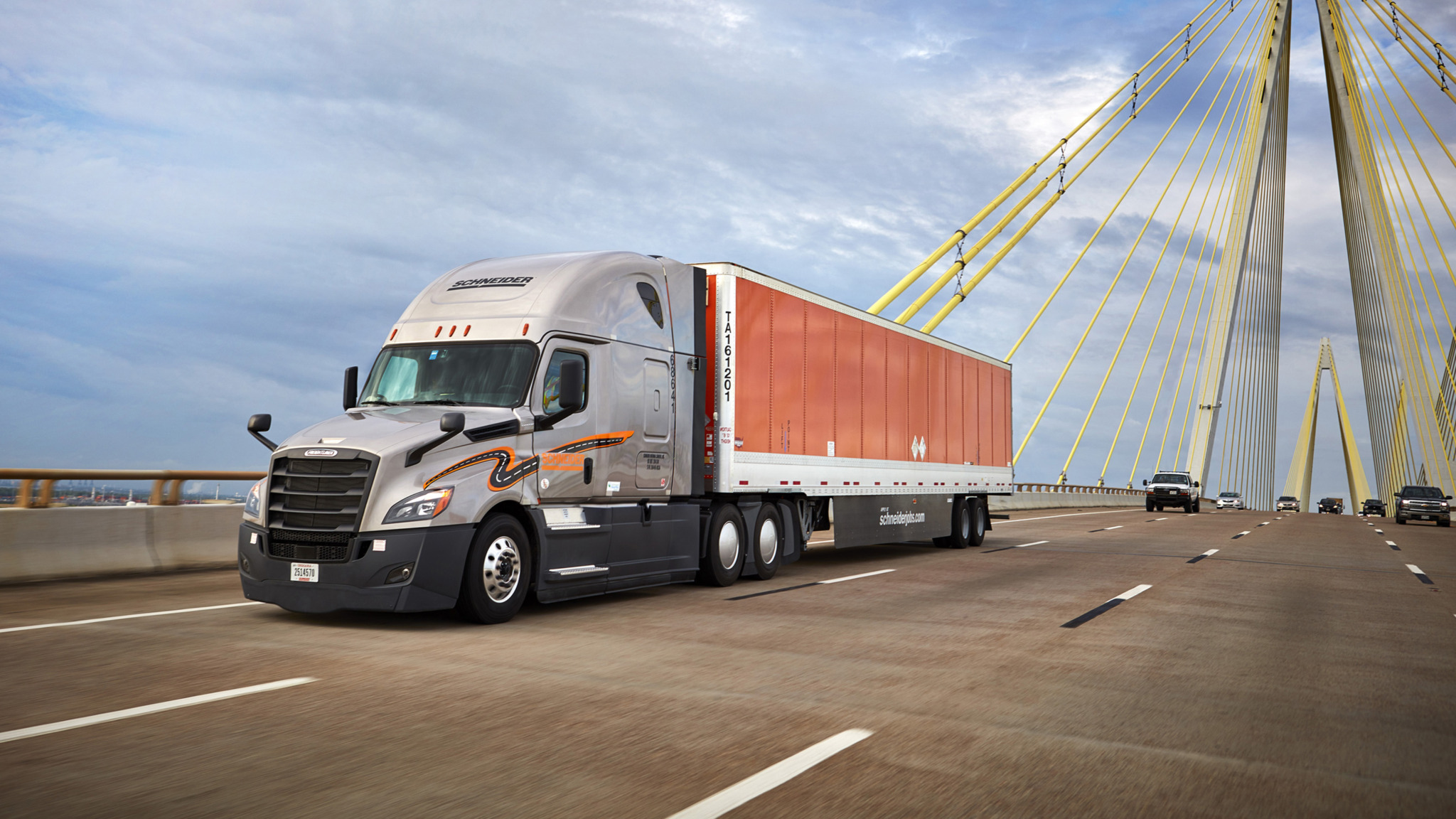
Some of the largest truck manufacturers in the country struck a deal with California, accepting the state’s plan to ban the sale of new diesel big rigs by 2036.
The so-called Clean Truck Partnership was reached between the California Air Resources Board and companies, including General Motors and Daimler Truck North America.
It creates a path toward the 100% use of zero-emissions medium-and heavy-duty trucks on the road by 2045, according to a news release from Gov. Gavin Newsom’s office.
“This really puts our state on track for meeting our climate goals and protecting the health of frontline communities,” CARB Deputy Executive Officer Sydney Vergis said.
The agreement gives truckmakers more flexibility in making that transition and requires CARB to give them at least four years of lead time on new regulations and at least three years of regulatory stability before imposing new requirements.
Read the full agreement here.
In return, manufacturers have committed to meeting California’s standards regardless of the outcomes of any challenges in court.
“Obviously, there were some discussions behind the scenes, and they’ve come up with an agreement that is really surprising, that they have agreed regardless of what happens in the litigation that’s pending in the D.C. Circuit,” said Joe Rajkovacz with the Western States Trucking Association.
The trade association representing many small business motor carriers, primarily based in California, joined more than a dozen states in filing a lawsuit against the U.S. Environmental Protection Agency over the waiver the federal agency granted California, which allowed the state to set strict heavy-duty truck emission standards.
“There’s a lot of talk and good wishes from the state, but, in many of our views in trucking, they have put the cart ahead of the horse here,” Rajkovacz said.
He said the biggest concern is infrastructure.
“It just isn’t there. No matter how hard people have tried to get the power company to wire up their properties, it’s just not happening,” he said.
However, CARB said, time is on California’s side.
“Any regulation CARB passes, including the ones we’re talking about, don’t go into effect overnight,” Vergis said. “This doesn’t affect all vehicles at once. This will be phased in over the course of two decades.”
The governor’s office said the state is investing $10 billion to help with the transition, including supporting zero-emission trucks and infrastructure.
Credit: Source link