The California Air Resources Board is launching what officials say will become the nation’s largest utility-administered electric truck rebate program. The state environmental agency said that more than $1 billion in incentives are expected to be available to fleets through 2030.
Retailer enrollment for the new California Clean Fuel Reward program opened May 13, ahead of statewide rebates scheduled to begin June 26.
The program will provide point-of-sale discounts ranging from $7,500 to $120,000 on new electric medium- and heavy-duty commercial vehicles.
Funding for the program comes from revenue generated under California’s Low Carbon Fuel Standard, which requires transportation fuel providers to reduce the carbon intensity of fuels sold in the state.
“This new rebate program builds on California’s long record of incentivizing zero-emission vehicle deployment and reaffirms our unwavering commitment to clean transportation,” CARB Chair Lauren Sanchez said in a statement. “By returning revenue from the Low Carbon Fuel Standard directly to truck buyers at time of purchase, we’re making zero-emission trucks the better choice for fleets and delivering cleaner air along freight corridors where it’s needed most.”
Rebates Available for Multiple Truck Segments
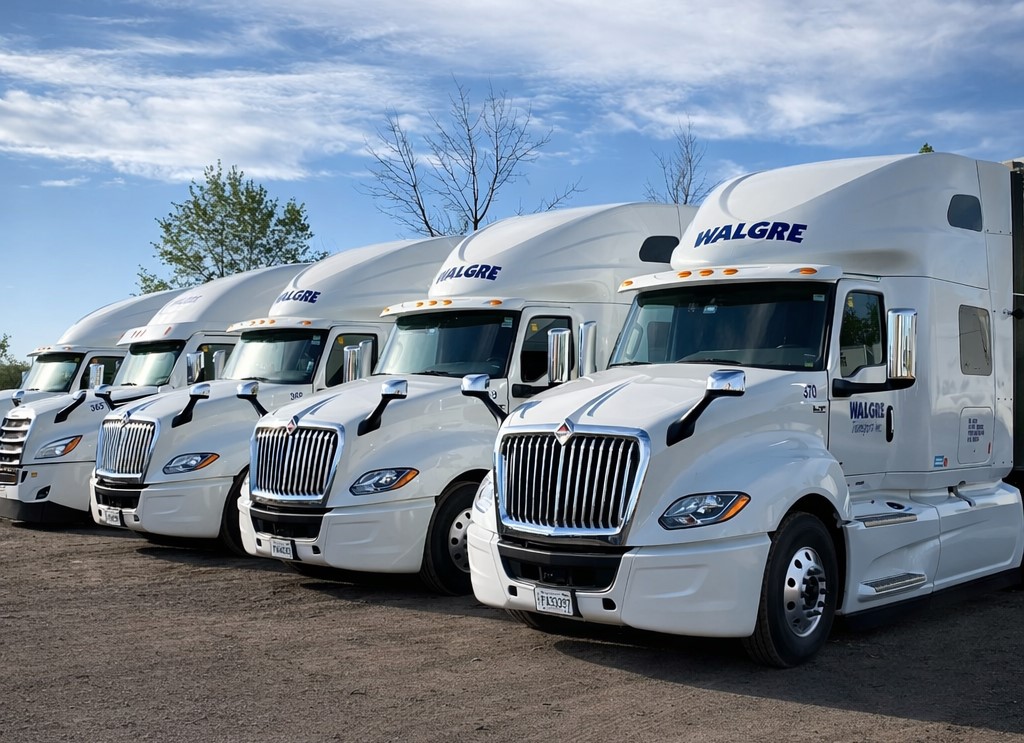
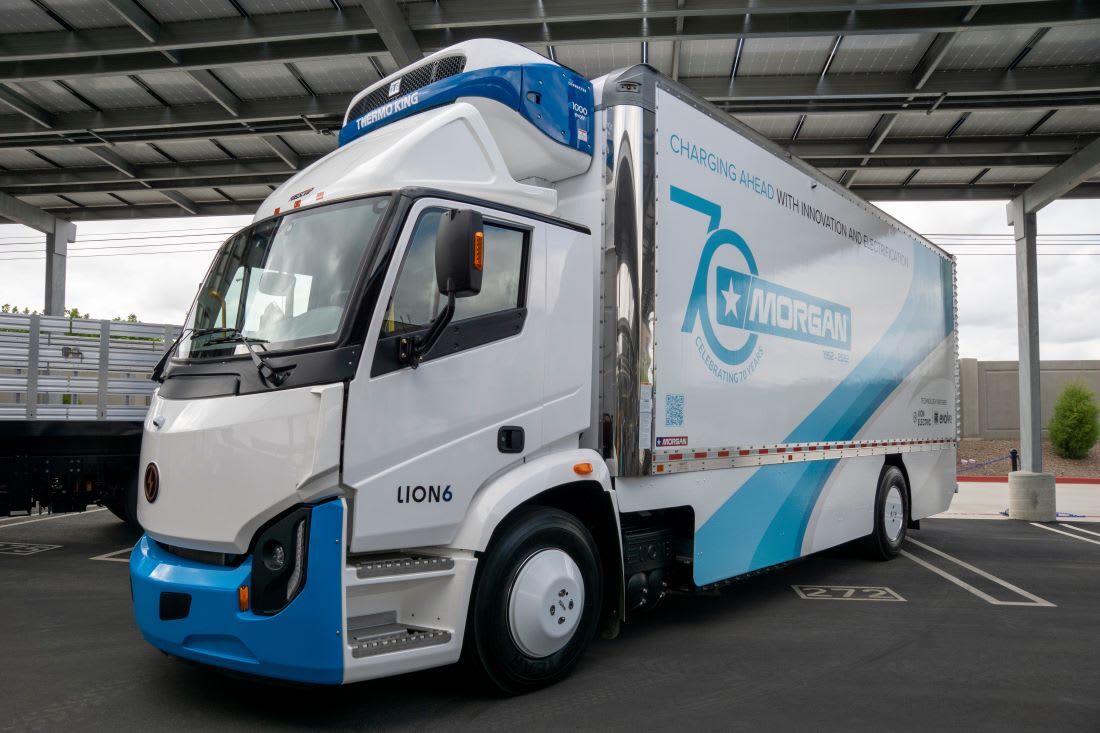
The rebates will apply to a range of commercial electric vehicles, including drayage trucks, Class 8 semis, box trucks, delivery vans and other fleet vehicles.
Public and private fleets statewide will be eligible to participate through authorized retailers. Public fleets also can receive incentives for smaller Class 2b electric pickups used exclusively for business purposes.
State officials said $250 million in rebates is expected to be available during the program’s first year.
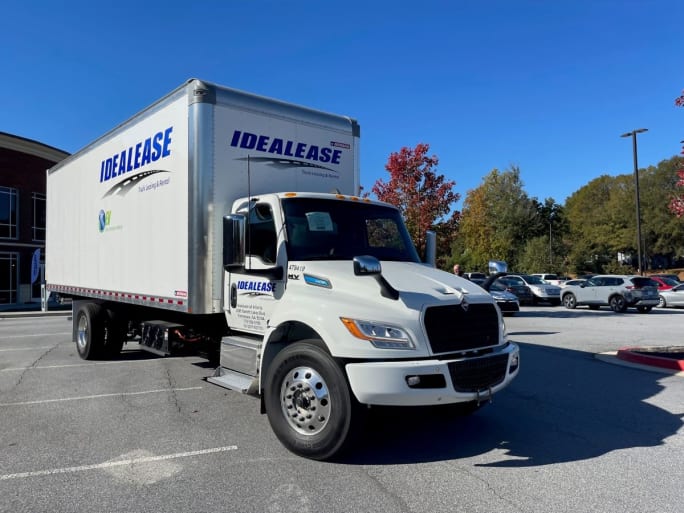
The new incentives include small box trucks all the way up to Class 8 tractors.
Southern California Edison will administer the program on behalf of CARB and several California utilities, including Pacific Gas & Electric, San Diego Gas & Electric, Los Angeles Department of Water and Power, and Sacramento Municipal Utility District.
“As the largest utility-led incentive program of its kind for medium- and heavy-duty vehicles, the California Clean Fuel Reward represents a historic step forward in fleet electrification,” said Funmi Williamson, Southern California Edison senior vice president and chief customer officer. “By lowering upfront costs, it helps accelerate access to innovative vehicle technologies and supports long-term market transformation.”
Program Targets Freight Corridor Emissions
California officials said the program is aimed at reducing emissions from heavy-duty trucks, which remain a major source of air pollution near ports, warehouses and freight corridors.
According to CARB, nearly 18 million Californians live in areas with unhealthy air quality, while about 1,500 people die annually from air pollution in Southern California alone.
The state said accelerating deployment of zero-emission trucks could help reduce exposure to diesel emissions in communities disproportionately affected by freight activity.
Low Carbon Fuel Standard Funds Incentives
California adopted the Low Carbon Fuel Standard in 2009 as part of broader efforts to reduce greenhouse gas emissions from transportation fuels.
Under the program, fuel providers that fail to meet carbon-reduction targets purchase credits from companies that exceed the standards.
CARB said the system now generates about $4 billion annually in private-sector investment supporting lower-emission transportation technologies.
Recent updates to the LCFS directed utilities to use certain electric vehicle charging credits to help lower the upfront purchase cost of commercial zero-emission trucks.
State Expanding Existing Clean Truck Incentives
The new rebate program adds to California’s existing clean transportation incentive efforts, including the Hybrid and Zero-Emission Truck and Bus Voucher Incentive Project, known as HVIP.
CARB said HVIP has distributed more than $1 billion in incentives supporting more than 11,600 clean commercial vehicles across more than 2,000 fleets statewide.
The state also reported that zero-emission vehicles accounted for nearly 23% of new medium- and heavy-duty vehicle sales in California during 2024, more than double the state’s target level.
Credit: Source link