North Texans will soon be able to open up an app on their phone, request a ride, and be picked up and dropped off by a vehicle without a human driver. California-based Cruise, which launched in Austin at the end of last year and has operations in Phoenix and San Francisco, will launch in Dallas before the end of 2022.
A General Motors subsidiary that has a fleet of 300 vehicles—mostly Chevy Volts—Cruise is expected to roll into town “within a few months,” according to Megan Prichard, the company’s vice president of ridehail.
So how does it work? In Texas, the state has to grant a permit to autonomous rideshare companies as it does to other driverless vehicle companies (like the autonomous trucking companies that are already present on Texas highways). Cruise clears the regulatory hurdles, collaborates with cities, and begins mapping the surface streets where it will launch the service. Once that happens, the vehicles test with safety drivers and things are up and running. “We like to launch with cities instead of at them,” Prichard says.
In Austin, Cruise picks up and drops off downtown and near East Austin. As it does there, Cruise will provide rides in Dallas from 8:00 p.m. to 5:30 a.m., targeting areas with pedestrian traffic and active nightlife. Prichard said the team is currently mapping Dallas and zeroing in on an area of town that makes the most sense.
The company intends to expand geography and timing in cities after meeting safety benchmarks and customers are more comfortable with the service. In San Francisco, Cruise provides rides 24/7. “We are very excited to be entering a city that shares the Vision Zero goal to end traffic deaths by 2030,” Prichard says of Dallas.
Part of that process is beginning with safety drivers in a new city. After three months in Austin, the vehicles were fully autonomous. Cruise functions like other ridesharing services, but rather than having a driver who may or may not be playing music you like, this one has no driver at all.
The car won’t start moving until everyone is buckled up. Riders push a button to begin the ride and are on their way. “The whole car is your own space,” Prichard says. “You can sing along to your own music or take a nap.”
Currently, most vehicles are retrofitted electric Chevy Volts equipped with numerous cameras and sensors to help them navigate the streets. Soon, Cruise will launch a proprietary vehicle built for autonomous driving, with no steering wheel, pedals, or driver seat. The spacious vehicles are aimed at carpooling and emissions reduction and look like toaster boxes on wheels, Prichard says.
All of Cruise’s vehicles are monitored 24 hours a day by a command and customer service center in Phoenix. When the evening shift ends, the vehicles will return to a local facility to charge, be serviced, and be cleaned.
Cruise also operates an autonomous last-mile delivery service in Phoenix in partnership with Walmart, where its driverless vehicles deliver groceries to customers. Dallas is a regional hub and innovation center for Walmart, and Prichard says Cruise is also eyeing North Texas for its grocery delivery expansion.
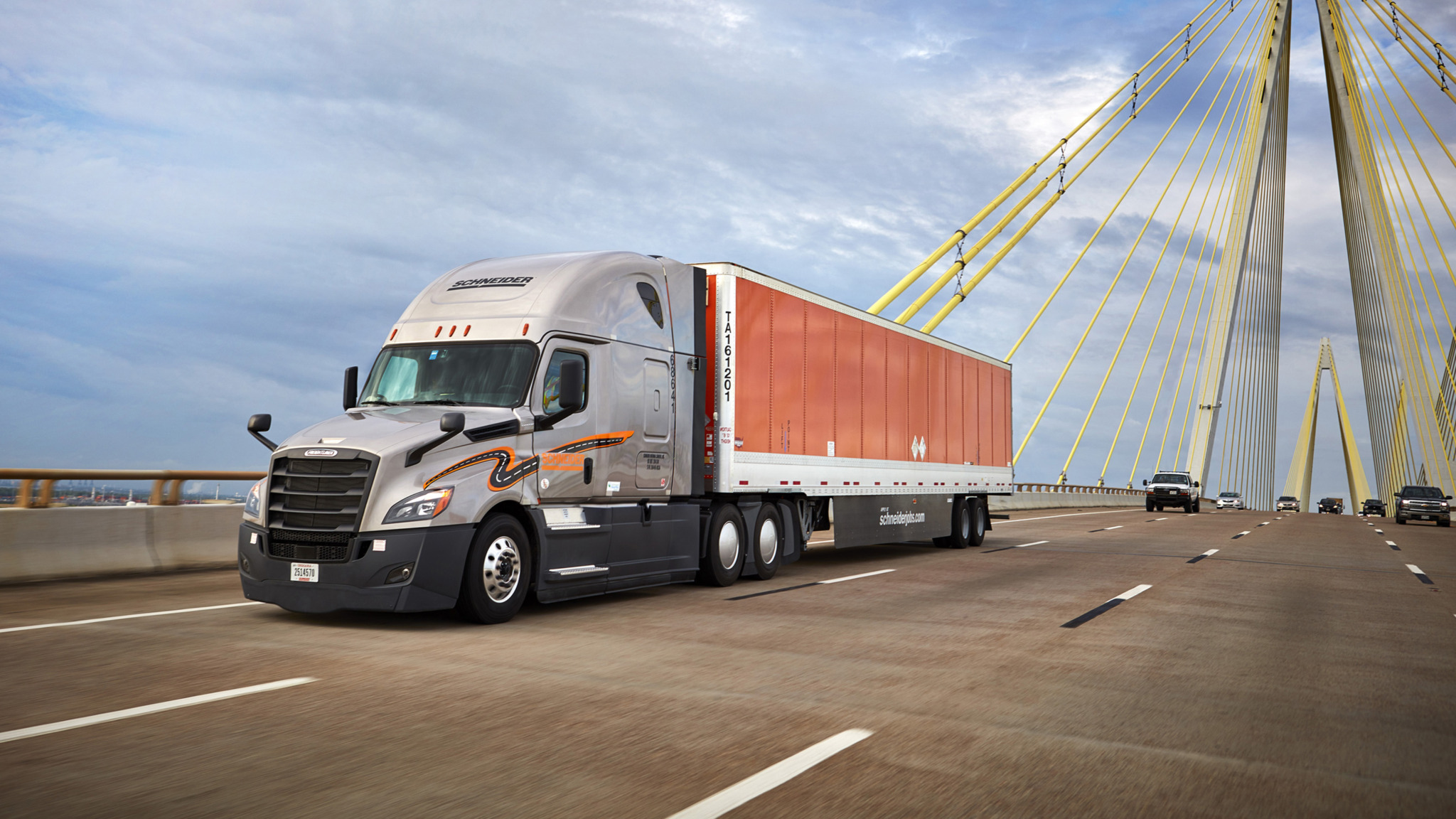
The region has established itself as a mobility innovation leader, with significant autonomous logistics work being done at Hillwood’s Alliance development north of Fort Worth. Alliance’s Mobility Innovation Zone provides opportunities for companies to pilot and develop a range of autonomous delivery and shipping technologies, from driverless semi-trucks to drone delivery.
Cruise likely won’t be Dallas’ only driverless rideshare company for long. Aurora Innovation and Toyota North America are partnering to launch self-driving Toyota Siennas in partnership with Uber next year. Last year, Aurora told D CEO that it is working on point A to point B routes programmed for specific frequent routes, such as from DFW Airport to the downtown Dallas Sheraton, Texas’ second-largest hotel.
Though hopping into a driverless vehicle may seem like a scary proposition for some, human drivers aren’t faring very well either. According to the U.S. Department of Transportation, 42,939 people died in motor vehicle crashes in 2021, a 10 percent increase compared to 2020.
Dallas is known as a city that embraces big and new ideas, and Prichard and Cruise are confident that it will be an early adopter. “Most people can have some hesitation about getting in the car. It’s a new experience. It’s a new technology,” she says. “But usually, within a few minutes, we see people relaxed, impressed, and comfortable with the experience.”
Author

Will is the senior editor for D CEO magazine and the editor of D CEO Healthcare. He’s written about healthcare…
Credit: Source link