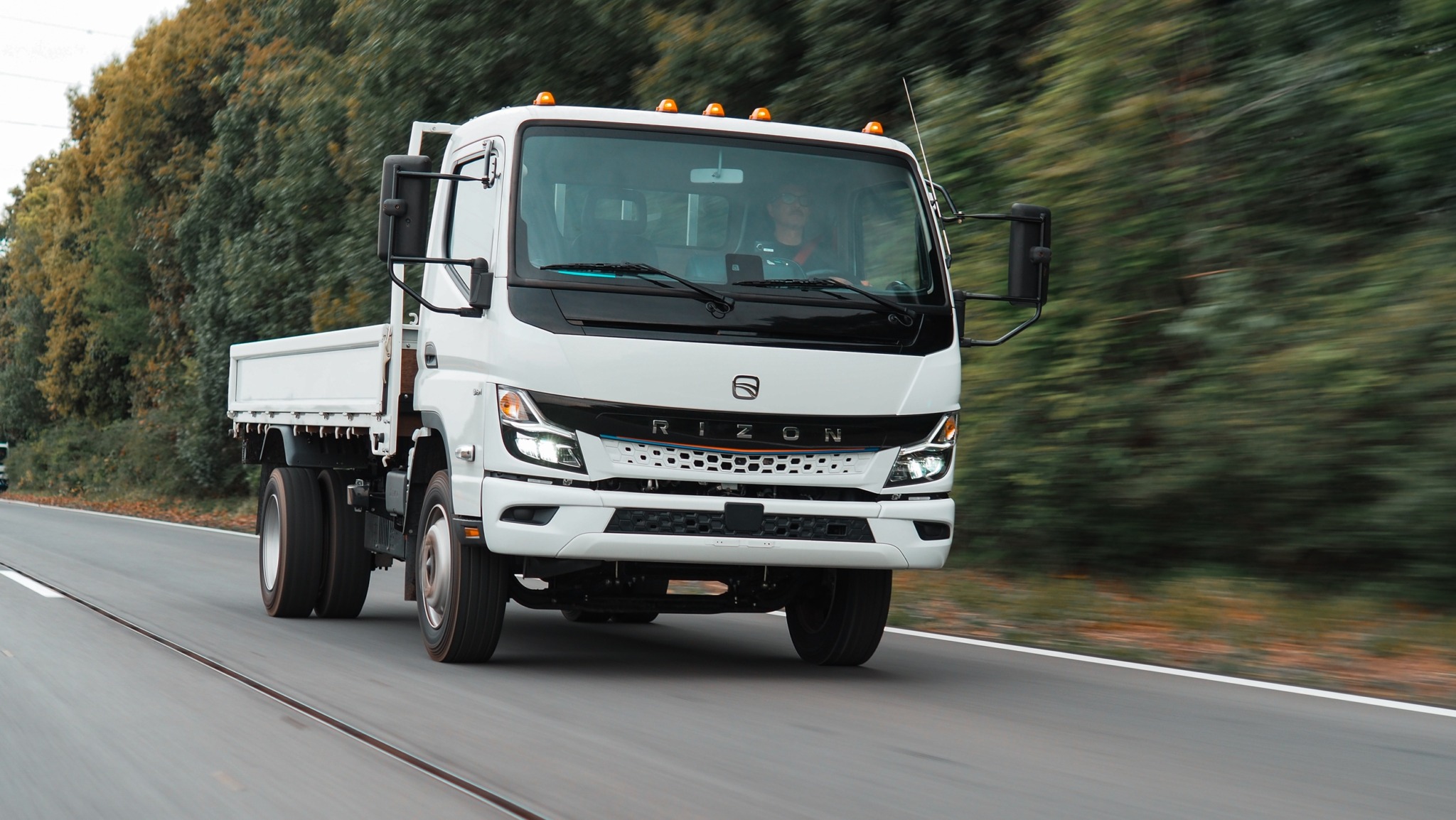
Rizon is expanding its footprint in Québec just as provincial incentives for zero-emission trucks come back into play.
The all-electric truck brand announced it is adding seven new sales centers across the province, including locations in the Greater Montréal region, Québec City, and Northeastern Québec. The move is aimed at improving access to its Classes 4–5 battery-electric trucks and supporting services such as sales, deployment, and maintenance.
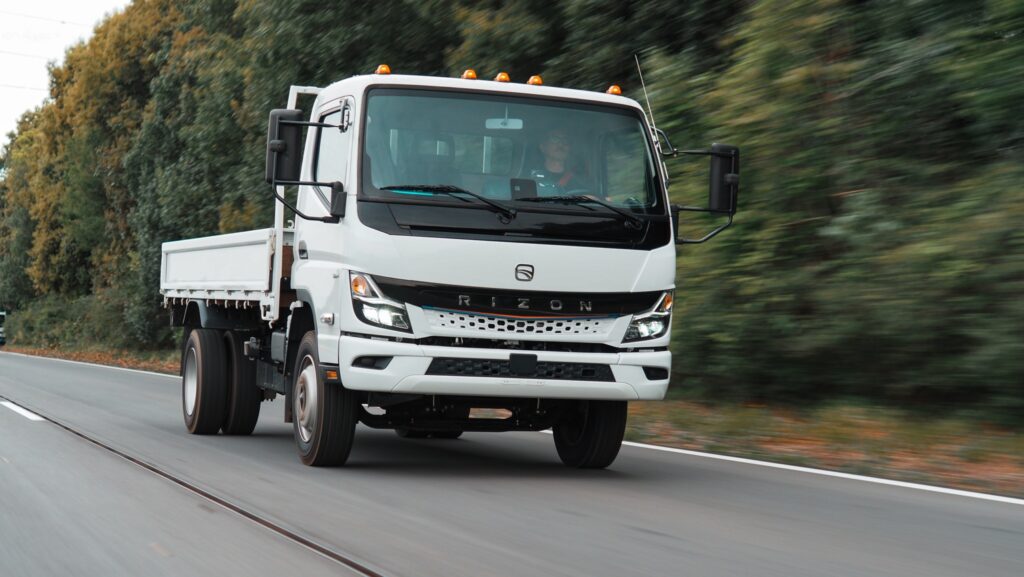
The expansion coincides with the reopening of Québec’s Écocamionnage program, which offers up to $100,000 in provincial funding for eligible zero-emission freight vehicles. Rizon trucks qualify for the incentive, which is designed to accelerate fleet electrification and is scheduled to run through March 31, 2028.
“Écocamionnage offers a major opportunity for Québec fleets to accelerate the shift to zero-emission trucks,” said Alex Voets, general manager of Rizon North America. “With seven new sales centers coming online, we’re making it easier for operators across the province to access Rizon trucks that are already proving themselves on Canadian roads, backed by local support for charging, incentives, and fleet deployment.”
Rizon first introduced its trucks to the North American market in 2023 and has since deployed vehicles with commercial and municipal fleets across Canada and the United States.
In Canada, the brand is distributed exclusively by Rizon Truck Canada, a subsidiary of Velocity Vehicle Group.
Rizon’s medium-duty electric trucks are available in Class 4–5 configurations, with gross vehicle weights ranging from 15,995 to 18,850 lb. Depending on battery configuration, the trucks offer a range of up to 177 km or 257 km (110 or 160 miles) under standard testing conditions.
The trucks can be charged using DC fast charging via CCS1 connectors or Level 2 AC charging using J1772, giving fleets flexibility depending on infrastructure and duty cycles.
The company said the additional Québec sales centers will help support growing demand as fleets look to take advantage of incentives and transition to zero-emission equipment.
Credit: Source link