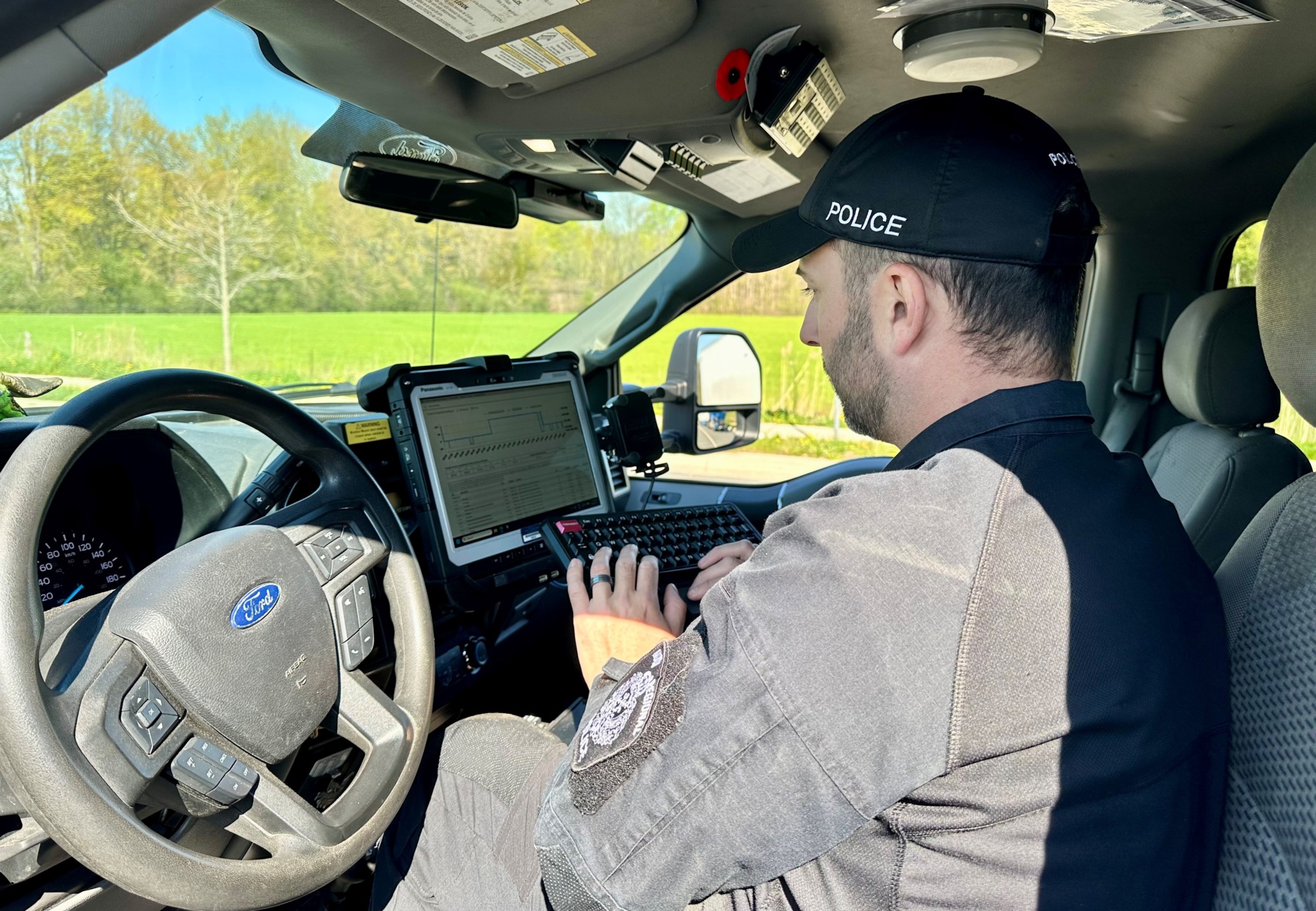
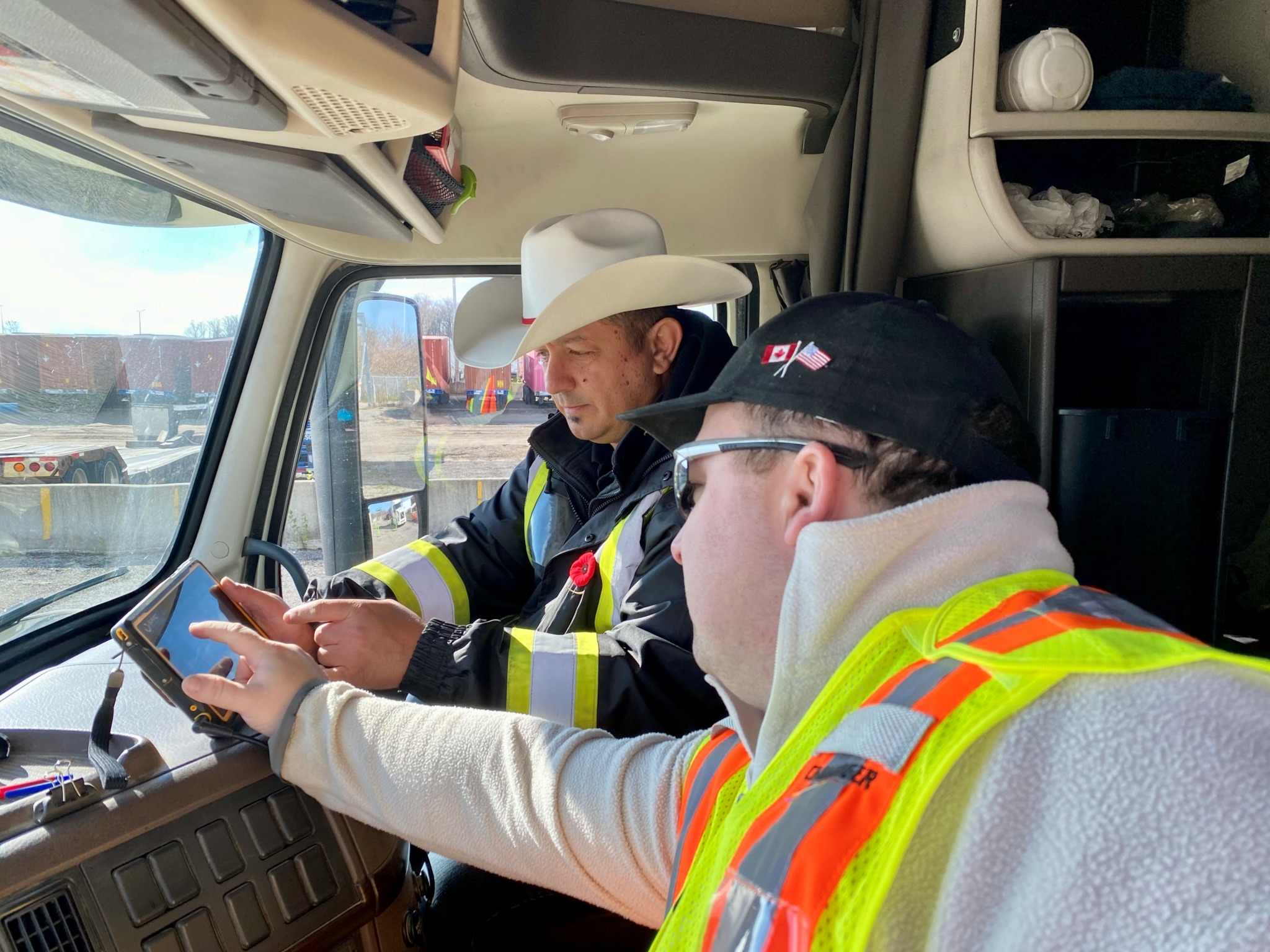
Concerns about how states issue non-domiciled CDLs continue to garner the attention of lawmakers.
Rep. David Rouzer, R-N.C., recently introduced the Non-Domiciled CDL Integrity Act, which would create stricter requirements regarding the issuance of non-domiciled CDLs. It is among the latest bills aimed at preventing unqualified drivers from receiving a commercial driver’s license.
Following some high-profile truck crashes as well as a recent news conference held by Transportation Secretary Sean Duffy, lawmakers have introduced numerous bills aimed at addressing non-domiciled CDLs and English proficiency.
Rouzer’s bill, HR5688, would create several requirements. Under the Non-Domiciled CDL Integrity Act, a state may issue a CDL to someone domiciled in a foreign jurisdiction if:
- The individual has lawful immigration status in the United States.
- The individual possesses a visa determined by the secretary to be directly connected to a legitimate, employment-based reason to hold a CDL.
- The state confirms the applicant’s lawful immigration status before issuing, transferring, renewing or upgrading a license.
- The state issues a license … for a time period of up to one year or until the expiration of the applicant’s authorized stay in the U.S., whichever is shorter.
- The state retains records related to the issuance of a license … for not less than two years or for a period of time as otherwise prescribed by the secretary, and provides those records within 48 hours of a request.
As of Thursday, Oct. 9, HR5688 had four co-sponsors:
- Dusty Johnson, R-S.D.
- Rick Crawford, R-Ark.
- Diana Harshbarger, R-Tenn.
- Buddy Carter, R-Ga.
‘National emergency’
During a news conference on Sept. 26, Duffy did not hold back when he discussed concerns regarding non-domiciled CDLs in the United States.
“The process for issuing these licenses is absolutely 100% broken,” Duffy said. “It has become a threat to public safety, and it is a national emergency that requires action right now.”
As part of the news conference, Duffy announced that the Federal Motor Carrier Safety Administration would issue an interim final rule aimed at reducing the number of people who are eligible for a non-domiciled CDL.
Other bills
Rouzer’s bill is one of several bills related to non-domiciled CDLs and English proficiency that have been introduced in recent months.
On Sept. 30, Rep. Beth Van Duyne, R-Texas, introduced the Protecting America’s Roads Act. HR5670 would create additional requirements before a CDL can be issued to a non-U.S. citizen.
“It is time to end the danger posed by illegal immigrant and foreign national truck drivers who are not capable of safely operating an 18-wheel commercial vehicle or, in many cases, understanding English language warning signs and road instructions,” Van Duyne said in a news release.
A provision in the bill that has received quite a bit of attention would “terminate any existing reciprocity agreements that recognize foreign CDLs in the United States or permit holders of foreign CDLs to operate a commercial motor vehicle in the United States, unless expressly authorized by statute.”
Van Duyne’s office clarified to Land Line on Wednesday, Oct. 8 that Canadian and Mexican drivers operating under the U.S.-Mexico-Canada Agreement would not be affected because it had been authorized by statute. Van Duyne’s office added that the intent of the provision is to ensure that only Congress, not any federal agency, has the authority to permit foreign CDLs in the U.S.
On Sept. 8, Rep. Byron Donalds, R-Fla., introduced the Weigh Station Enforcement to Intercept and Guard Highways (WEIGH) Act.
HR5177 would direct the U.S. Department of Transportation to ensure that states enforce English-proficiency requirements and review commercial driver’s licenses for irregularities during checks at weigh stations.
In June, Sen. Roger Marshall, R-Kan., introduced the Commercial Motor Vehicle Proficiency Act. S2114 would require drivers to be tested for English proficiency before receiving a commercial driver’s license. Sens. John Barrasso, R-Wyo., and Cindy Hyde-Smith, R-Miss., co-sponsored the bill. LL
Credit: Source link