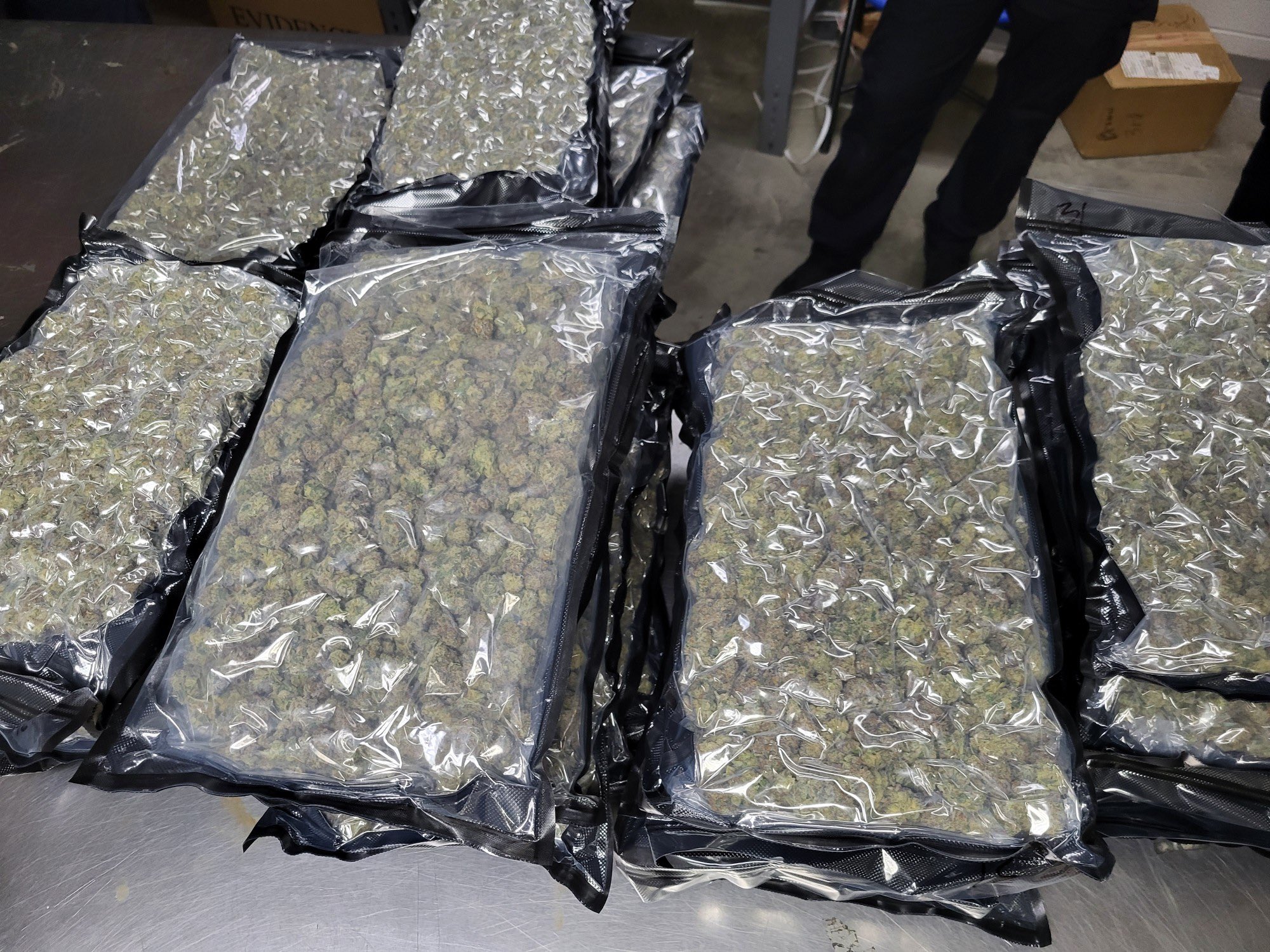
The town of Vail is under fire over an ordinance aimed at ridding Vail Village and Lionshead of all delivery trucks.
The town says the trucks create environmental and safety concerns. So, a year ago, it banned most of them and hired a local business to do deliveries using electric carts instead.
It gave truck drivers two choices – park outside the village and carry in their merchandise or pay thousands of dollars to have an electric cart deliver it for them.
“We know of no other ordinance like this in the country,” says Greg Fulton, head of the Colorado Motor Carriers Association, which represents 650 trucking companies.
Town of Vail
While the town cited safety as the main reason for the switch, Fulton says it never conducted a safety study, it couldn’t point to a single trucking accident in the area for years, and it makes exceptions for some trucks, buses, and cars, “we’re just trying to understand actually where the problem was.”
If safety were the issue, Fulton says, Vail could have limited the size or weight of vehicles. Instead, it only limited who can operate delivery vehicles, and it limited it to one company. He says it gave a no-bid contract for the E-delivery program to a local company – called 106 West – that had just opened, didn’t have adequate insurance, and only recently underwent a safety audit, “effectively what they’ve done is created a monopoly.”
Vail signed a four-year contract with 106 West for $1.5 million a year, even after the Motor Carriers Association sued the town, accusing it of violating federal laws which bar state and local governments from interfering with the “price, route, or service” of interstate commerce.
Fulton says trucking companies wanting to use 106 West’s electric carts must pay up to $30,000 a year and he says those costs get passed onto customers, “let’s say you have ten communities doing this. You can imagine the cost of the goods on this end. In our eyes, it’s an item of where we should have the right to be able to essentially provide our service, our products directly to the customer.”
CBS
Fulton says Vail is also circumventing a state law that bars third party alcohol delivery. He says, if the Village and Lionshead are pedestrian zones – like Pearl Street Mall and 16th Street Mall – the town shouldn’t be collecting State Highway User Tax funds for them, which suggests they’re open to all vehicles.
The town wouldn’t comment but, in its written response to the lawsuit, it claims that interstate commerce laws make exceptions for local ordinances dealing with safety.
The judge has not made a final ruling, but last month she issued a preliminary injunction exempting high volume delivery services like UPS, FedEx, and the U.S. Postal Service from the ordinance for now.
Credit: Source link