A new TMS integration from Phillips Connect and McLeod positions smart trailer data as a core planning input rather than an add-on technology.
Phillips Connect and McLeod Software have announced a new Transportation Management System (TMS) partnership.
The two companies said they are moving trailers closer to the center of fleet operations with a new integration that brings real-time smart trailer data directly into McLeod’s TMS.
Capacity-Aware Assets
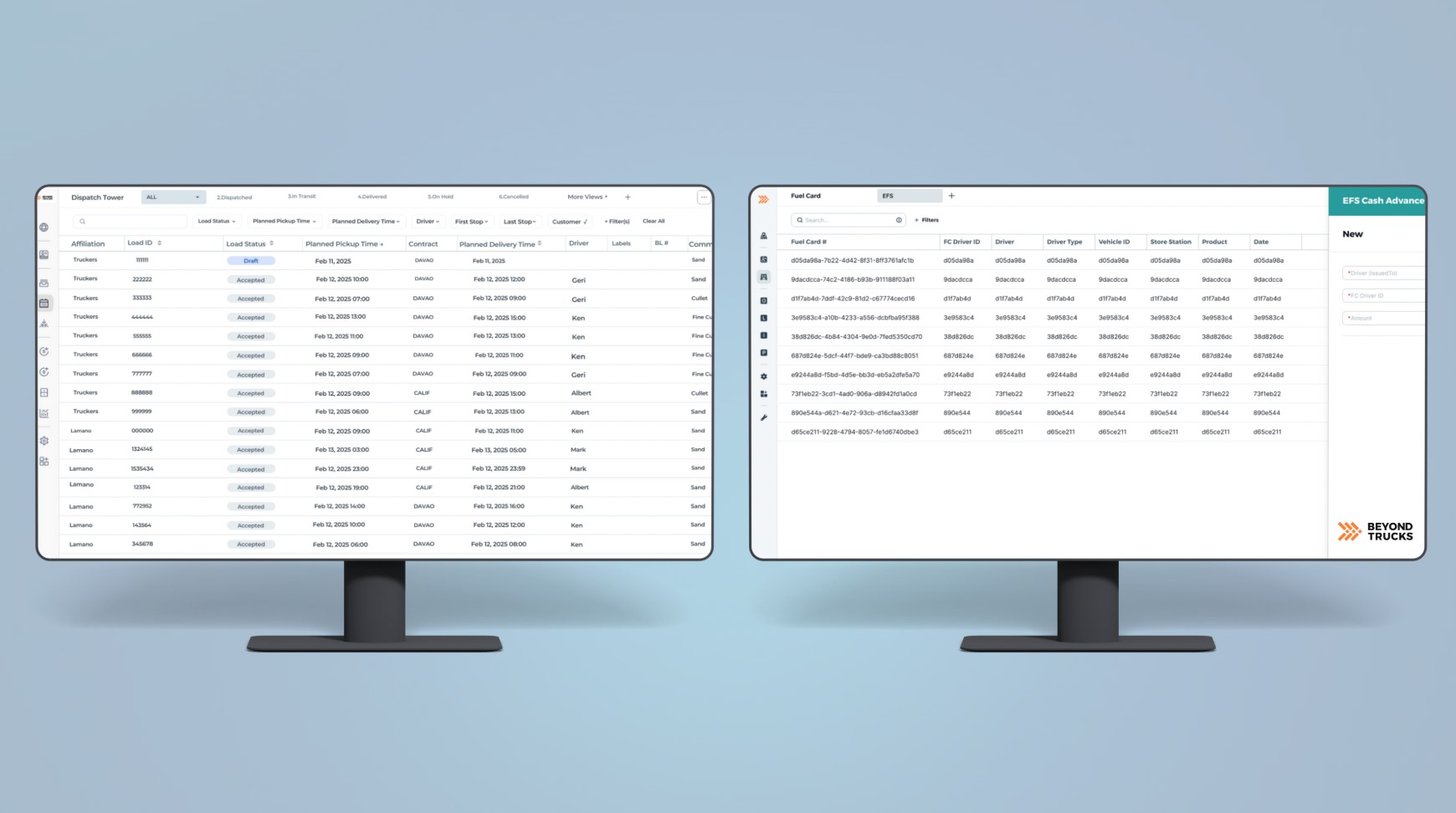
The integration allows fleets to view trailer health, location, and cargo status inside the same McLeod workflows used for planning, dispatch, and execution. It will eliminate the need to toggle between separate systems or rely on manual checks, the companies said.
For fleets, the result is tighter planning, better trailer utilization, and fewer operational blind spots.
For decades, trailers have largely existed outside the digital visibility enjoyed by tractors and drivers. Phillips Connect’s integration with McLeod is aimed at closing that gap by making trailers active, data-producing assets within the back office.
According to both companies, this integration gives fleets a clearer and more complete picture of their operations. It also positions smart trailer data as a core planning input rather than an add-on technology.
At the heart of the integration is Phillips Connect’s ability to surface trailer condition and cargo intelligence directly within McLeod. Using this system, fleets gain real-time visibility into trailer tire, brake, and lighting health, along with precise location data.
The integration also includes Phillips Connect CargoVision. This is an AI-powered camera system that shows planners and dispatchers exactly what is inside a trailer and how much usable space remains.
The system provides volumetric measurements that support more accurate load planning—particularly for partial shipments, multi-stop routes, and dynamic freight assignments.
Instead of treating trailers as fixed, unknown capacity, fleets can now identify which trailers are ready to deploy, which need repositioning, and which still have room for additional freight.
Mike Narkys, president of MNS1, the first fleet to test and complete the integration, said the impact was immediate.
“Our planners and dispatchers can see inside every trailer, understand how much space is left, and decide quickly which trailers are ready to deploy,” Narkys said. “That helps us turn loads faster, reduce empty moves, and put our trailers to work where they make the most impact.”
Tighter Planning, Fewer Empty Miles
By embedding trailer intelligence directly into McLeod, fleets can make more informed decisions earlier in the planning process, the companies said.
Knowing trailer condition and available capacity before assigning freight helps reduce last-minute surprises, improve asset utilization, and cut down on unproductive moves.
The integration also supports proactive maintenance planning by making trailer health data visible to operations teams, not just maintenance departments. That shared visibility can help fleets avoid breakdown-related delays and better coordinate service events.
Ahmed Ebrahim, senior vice president of strategic partnerships and integrations at McLeod Software, said the goal is to give customers stronger network-level insight.
“Mutual customers gain cargo visibility and real-time trailer location inside McLeod,” Ebrahim said. “This helps fleets plan more effectively across their operations.”
A Broader Trailer Telematics Strategy
For Phillips Connect, the McLeod integration represents the first step in a broader strategy. Its vision is to embed smart trailer data inside the systems fleets already use, rather than forcing fleets to adopt standalone platforms.
“As more TMS providers and fleet systems embrace connected trailers, we want fleets to work within their existing tools rather than around them,” said Todd Hodges, director of product management for Phillips Connect.
The company said additional integrations with other TMS and fleet platforms are planned, reflecting a wider industry shift toward treating trailers as first-class digital assets alongside tractors and drivers.
The Phillips Connect–McLeod integration is available now for fleets across North America.
Credit: Source link