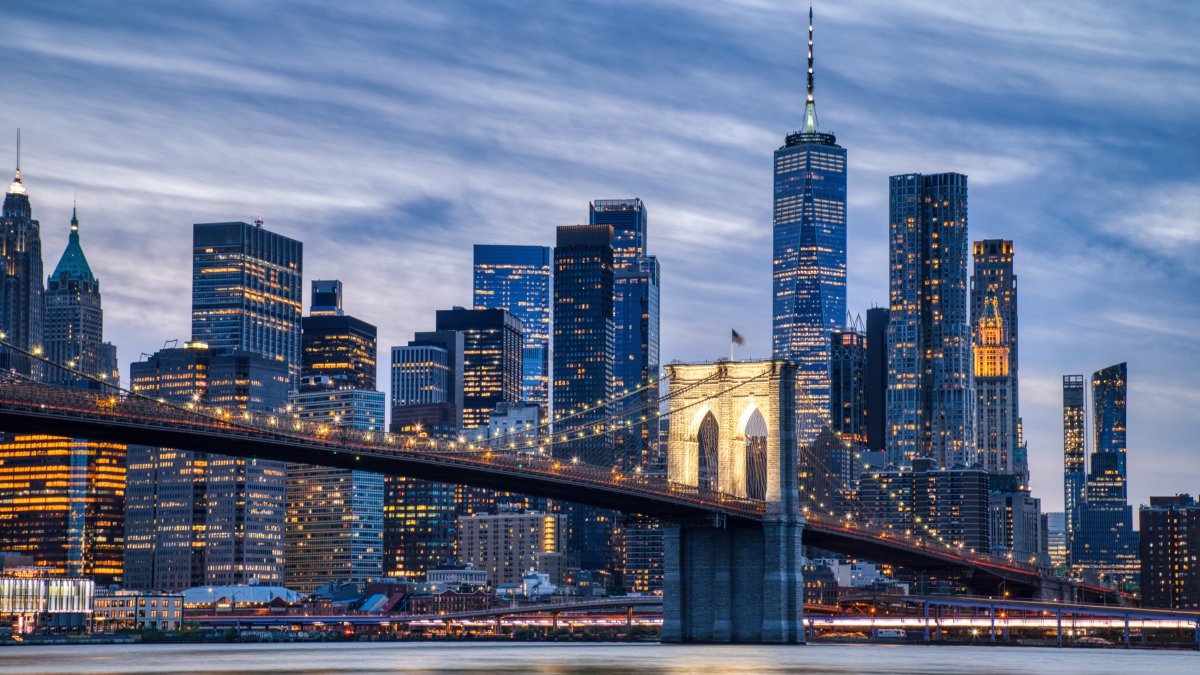
In New York City, the rhythm of global conversations is rarely quiet but this week, it feels especially charged. From sustainability milestones to the looming spectacle of international sport and a reinvigorated art scene, the city is once again reflecting the pulse of the world.
March 30 marks the International Zero Waste Day, a rapidly growing global platform calling attention to one of the most urgent challenges of our time: waste. This year’s focus food lands particularly powerfully in a city defined by both abundance and inequality.
Globally, nearly 1 billion tonnes of edible food is wasted each year, accounting for almost one-fifth of all food available to consumers. Around 60% of that waste occurs at the household level, while the rest stems from inefficiencies across food service, retail and supply chains. The implications are profound, affecting not only food security but also climate systems and biodiversity.
In New York, the conversation is no longer abstract. Across community kitchens, sustainability panels and policy forums, the emphasis is shifting toward circular food systems where waste is minimized, surplus is redistributed and consumption becomes conscious.
What stands out this year is the recognition of Türkiye’s leadership. Originally spearheaded by Türkiye and formalized through a United Nations resolution in 2022, International Zero Waste Day has evolved into a cornerstone of global climate dialogue. The United Nations General Assembly’s endorsement transformed a national initiative into a worldwide movement.
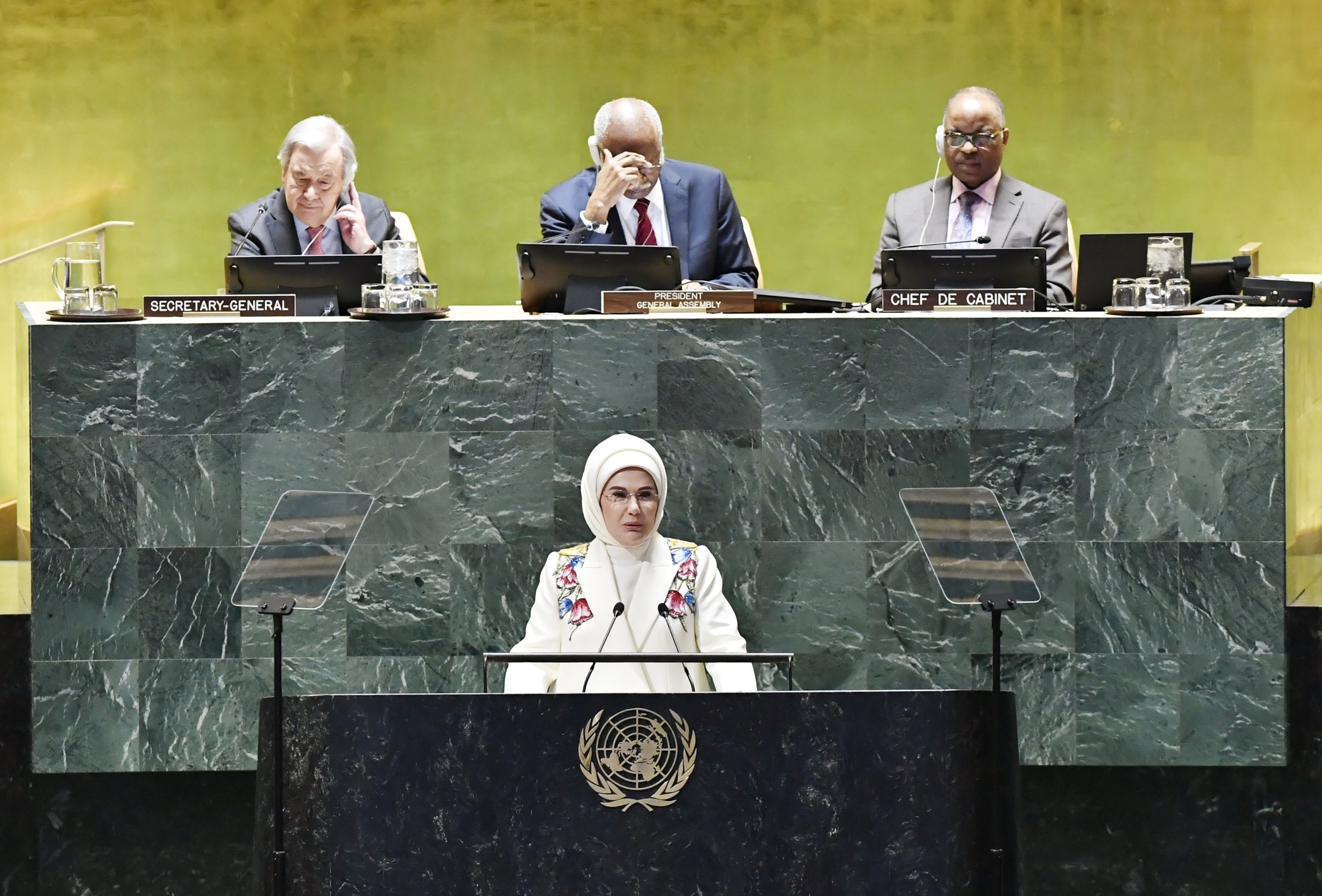
At the heart of this effort is the Zero Waste Project, launched under the leadership of first lady Emine Erdoğan. In New York, policymakers, activists and sustainability leaders are openly acknowledging Türkiye’s pioneering role. The project is increasingly viewed not just as a national success, but as a scalable model for global policy. The message is clear: governments, businesses, and individuals must act in tandem.
World Cup anticipation
If sustainability defines one side of the city’s current mood, anticipation defines the other. With the 2026 FIFA World Cupjust months away, New York is preparing to host one of the largest sporting events in history. Yet, beneath the excitement lies a surprising lack of clarity.
Mayor Zohran Mamdani’s administration has promised a citywide experience one that extends far beyond stadiums into subways, sidewalks, parks and neighborhood corridors. But when pressed for specifics, officials have struggled to provide concrete answers.
Key questions remain unresolved: the economic impact of proposed initiatives like a five-week free bus program, job creation projections and enforcement measures around labor conditions. Maya Handa, tasked with coordinating the effort, has emphasized ongoing discussions but offered few definitive plans.
Public transit a critical pressure point has become a focal concern. Comparisons to the logistical shortcomings of the Super Bowl continue to surface, raising questions about preparedness and contingency planning.
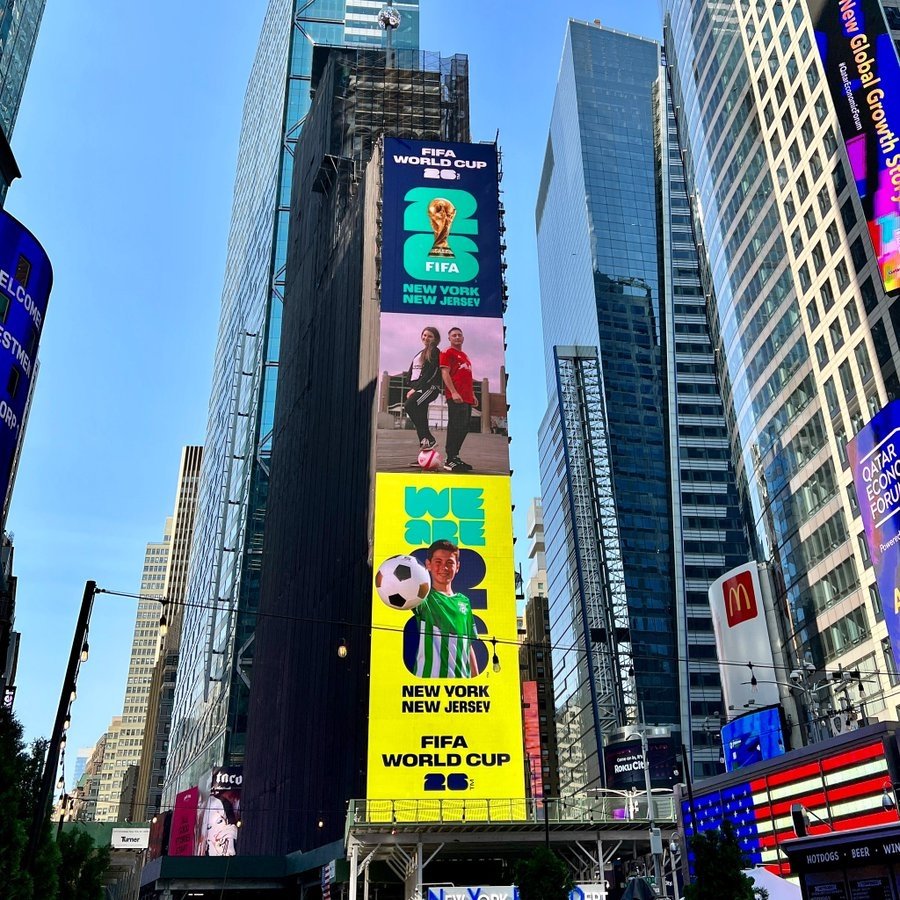
Financially, the city has already committed tens of millions of dollars toward advertising, logistics and infrastructure. Yet accessibility remains an issue. With ticket prices ranging from $1,000 to $3,000, uncertainty surrounds how inclusive the event will be for everyday New Yorkers.
Complicating matters further are broader geopolitical and social tensions. Travel restrictions affecting several participating countries, coupled with heightened scrutiny of federal enforcement agencies, have introduced an additional layer of unpredictability.
Despite these challenges, one thing is certain: the World Cup will transform New York not just as a host city, but as a living stage where global sport intersects with local realities.
Art world in full bloom
Meanwhile, New York’s cultural heartbeat remains as strong as ever. The city’s art scene is experiencing a moment of renewal, marked by both institutional milestones and bold reinterpretations of art history.
At the Whitney Museum of American Art, the latest Biennial serves as a pulse-check of contemporary artistic expression capturing the anxieties, contradictions and creativity of the present moment. Downtown, the long-awaited reopening of the New Museum signals a fresh chapter for experimental and forward-thinking work.
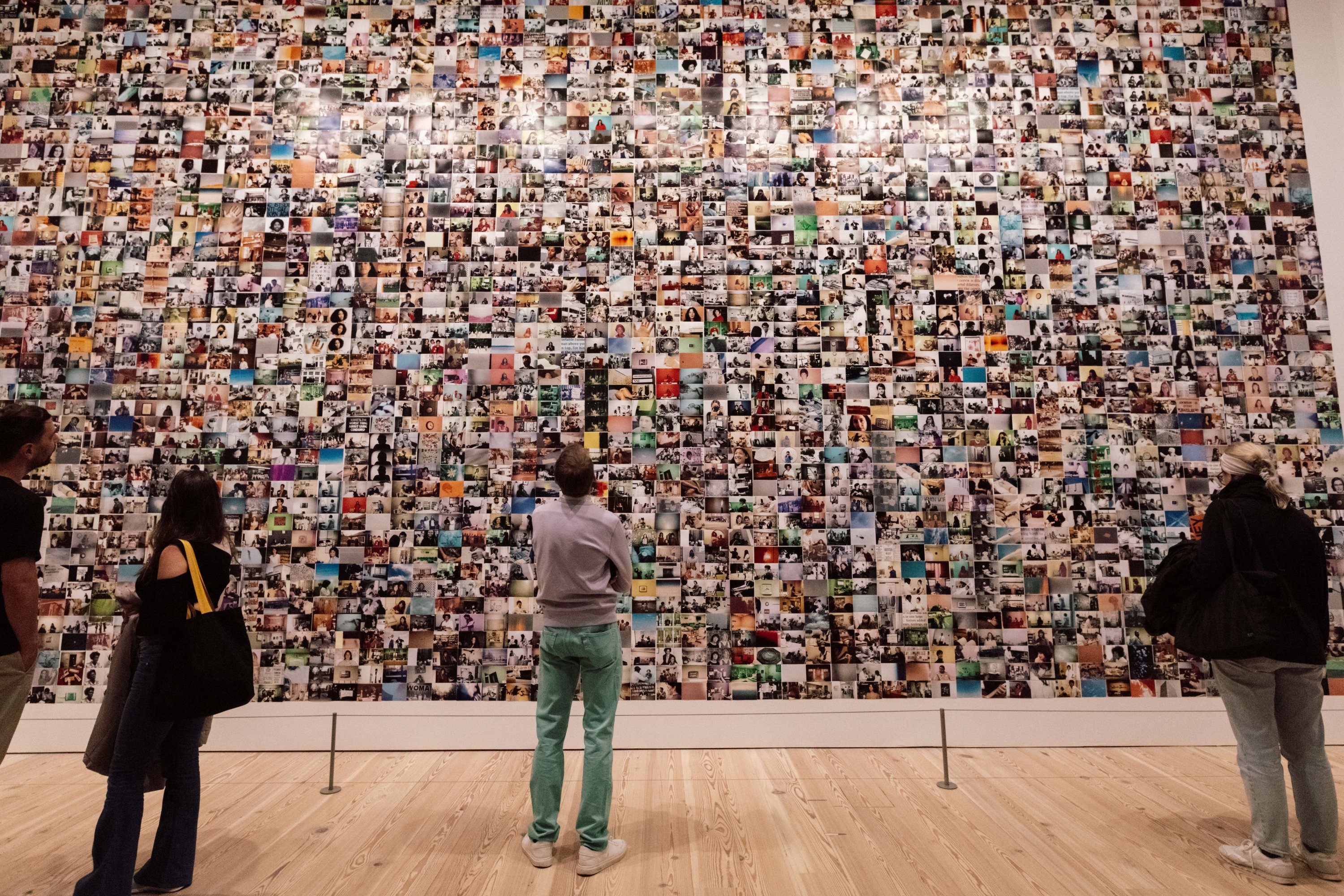
At the Museum of Modern Art, the enduring provocations of Marcel Duchamp continue to challenge audiences, reminding viewers that subversion remains central to modern art’s legacy.
Elsewhere, exhibitions are reimagining the past in striking ways. Frida Kahlo and Diego Rivera are being placed in dialogue with operatic narratives, while Paul Klee’s work is revisited through the lens of “degenerate art,” reclaiming histories once suppressed.
And in a rare cultural moment, Raphael a master of the High Renaissance is the subject of a major exhibition in the United States, offering audiences a chance to engage with his work on an unprecedented scale.
Finally, what emerges from all of this is a portrait of New York at a crossroads where sustainability, spectacle and culture converge.
From kitchens rethinking waste to stadiums preparing for global crowds and galleries redefining artistic narratives, the city is once again doing what it does best: absorbing the world’s complexities and reflecting them back with intensity.
In New York, nothing happens in isolation. Every plate, every platform, every canvas is part of a larger story one that is still being written.

Credit: Source link