The Engine Technology Forum has launched a new online resource center dedicated to selective catalytic reduction (SCR) systems and diesel exhaust fluid (DEF). The advocacy group said the new resource center will provide a centralized source of technical, policy, and educational information on emissions-control technologies used in modern diesel engines.
The SCR & DEF Policy and Technical Resource Center compiles fact sheets, webinars, expert commentary, policy analysis, and media coverage on diesel exhaust aftertreatment systems. Its goal is to help fleet operators, equipment owners, regulators, and the public better understand how the technologies work and why they remain central to reducing diesel emissions.
Addressing Questions About Emissions Systems
” As discussions around emissions, regulations, and technology continue to evolve, there is a growing need for accurate, technology-based information,” said Allen Schaeffer, executive director of the Engine Technology Forum. “This new Resource Center serves as a one-stop destination for policymakers, fleet operators, equipment owners, and the public to better understand how SCR and DEF systems work, why they matter, and how they support environmental and economic goals.”
The launch comes as emissions-control systems continue to attract scrutiny from regulators, policymakers, and some vehicle owners.
According to ETF, increasing questions about system operation, maintenance requirements, compliance obligations, and emissions-system tampering have highlighted the need for more accessible technical information.
The new resource center includes information designed to explain SCR and DEF operation, summarize Environmental Protection Agency guidance, address common misconceptions about emissions controls, and examine the role of advanced diesel technology in industries ranging from trucking and construction to agriculture and power generation.
One Stop for Technical, Regulatory Information
The website features several categories of content, including technical fact sheets, educational webinars, policy-focused blog posts, and curated media coverage.
ETF said the materials are intended to provide a science-based perspective on the benefits and challenges associated with SCR and DEF systems, including their impact on emissions reduction, fuel economy, engine durability, and regulatory compliance.
The organization hopes the consolidated platform will support informed decision-making among fleets and other stakeholders as emissions regulations continue to evolve.
Modern Diesel’s Role in Lower-Emission Operations
ETF noted that SCR and DEF technologies have helped diesel engines dramatically reduce emissions over the past decade while preserving the productivity, reliability, and fuel economy demanded by commercial transportation and heavy equipment applications.
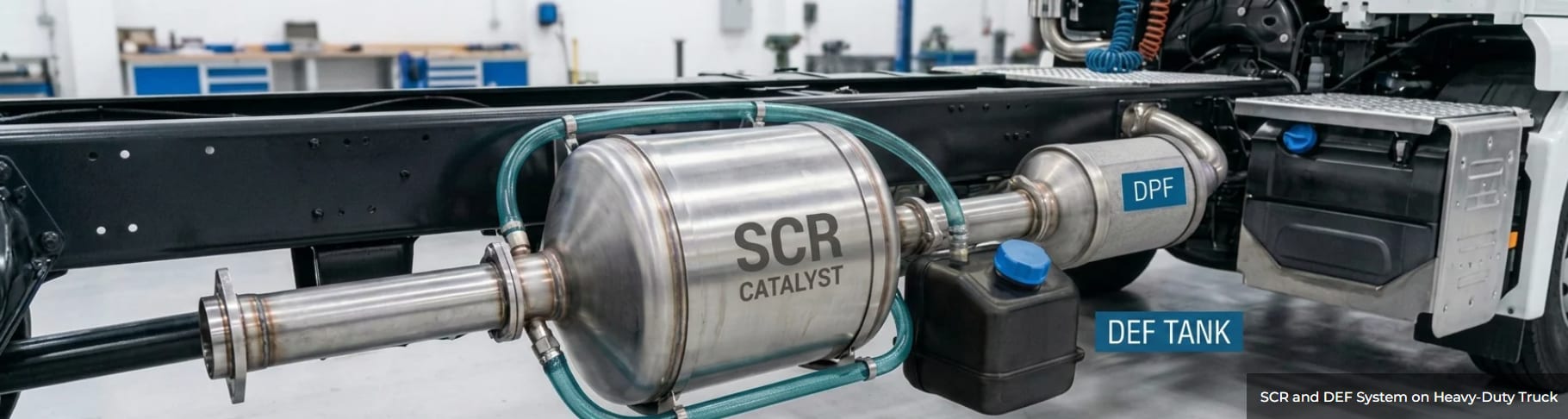
SCR systems use DEF to convert nitrogen oxide (NOx) emissions into nitrogen and water vapor before they exit the exhaust stream.
The technology has been widely deployed across heavy-duty diesel applications for more than a decade and is considered one of the industry’s primary tools for achieving near-zero NOx emissions while maintaining engine performance and fuel efficiency.
The organization said those capabilities remain important as trucking fleets and other diesel-dependent industries balance environmental goals with operational requirements.
The SCR & DEF Policy and Technical Resource Center is now available at the Engine Technology Forum website.
Credit: Source link