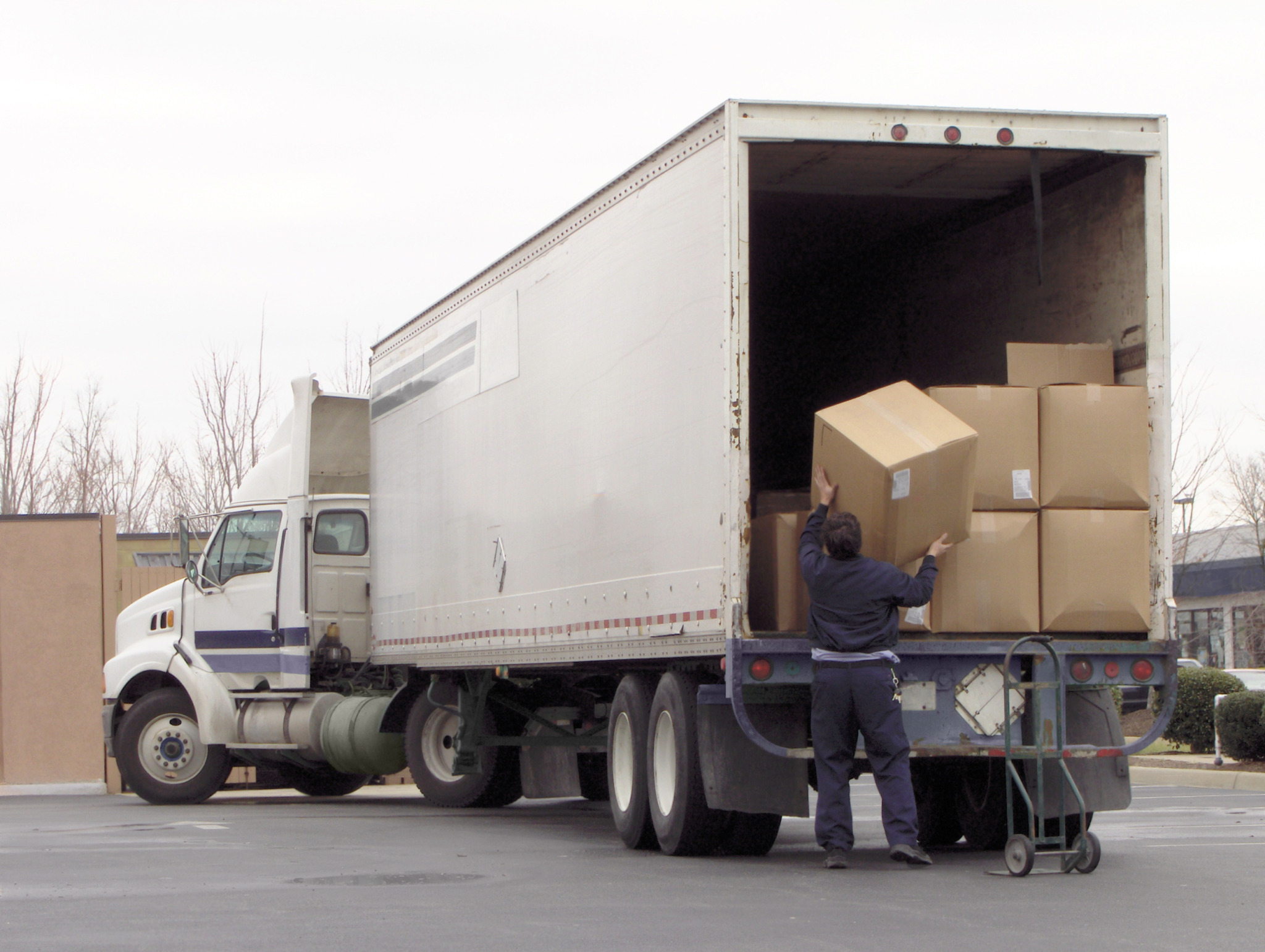
The federal government is turning to truckers for help in determining how to tackle the rising threat of cargo theft in the transportation industry.
Over the past few years, cargo theft losses have reached record-breaking levels – continually surpassing the total set the previous year. Data from New Jersey-based logistics security firm CargoNet suggests that 2025 will be no different. In the second quarter of the year, the company reported that cargo theft losses increased 13% compared to the previous year, with losses surpassing an estimated $61 million over that three-month span alone.
CargoNet isn’t the only industry insider to share that bleak forecast. Given the rise in sophisticated cargo theft tactics and the emergence of cyber-enabled theft, the National Insurance Crime Bureau anticipates a 22% increase in cargo theft losses for 2025 over the previous year.
A problem of that magnitude will take an all-hands-on-deck approach to solve, and lawmakers are responding by asking for advice.
On Friday, Sept. 19, the U.S. Department of Transportation published a request for information asking industry stakeholders how to best protect the supply chain from cargo theft.
“These crimes involve opportunistic ‘straight thefts’ of trailers, containers and loads at truck stops or multimodal distribution hubs and highly coordinated operations conducted by organized criminal networks,” the DOT said. “Both categories create significant economic losses, disrupt supply chains and in some cases fund broader illicit activities such as narcotics trafficking, counterfeiting and human smuggling.”
The department’s request seeks feedback from not only truckers but also law enforcement officials, DOT operating administrations and other federal agencies. And from carriers, the request seeks input on things like significant risks for theft, highly targeted commodities and best practices or technologies being employed to reduce theft risks.
A 30-day public comment period is now open. The department said it would review responses and could potentially use them to:
- Coordinate with law enforcement and regulatory partners to identify and close loopholes that allow carriers or transporters removed from service to re-enter operations under different names or affiliations.
- Improve cargo security risk assessment methodologies and strengthen decision-support capabilities by leveraging data shared through existing federal, state and industry partnerships.
- Enhance interagency coordination between the DOT, Homeland Security, FBI, Customs and Border Protection and state/local partners.
- Guide the DOT in formatting an appropriate response, including the design of future initiatives in partnership with industry and law enforcement.
You can provide feedback online at Regulations.gov using Docket No. DOT–OST– 2025–1326. Comments must be received by Oct. 20. LL
Credit: Source link